Buying a Farm in Eastern Ontario: The Complete Guide
The short answer: Buying a farm in Eastern Ontario means doing four kinds of diligence that ordinary rural purchases never require. Confirm the zoning classification and what it permits, because Agricultural and Rural zones behave differently. Understand the Farm Property Class Tax Rate Program, which taxes eligible farmland at no more than 25 percent of the residential rate but comes with conditions. Learn the severance rules before assuming you can split anything. And arrange financing early, because lenders treat farms differently than houses. Buyers who work through all four buy with confidence.
Eastern Ontario is one of the last regions within commuting distance of a major Canadian city where a household of ordinary means can still buy a genuine farm: a hundred acres with a farmhouse, a bank barn, workable fields, and a concession road address. Interest in these properties has grown steadily alongside the broader rural migration we documented in our rural buying guide, and the buyers arriving at farm showings are increasingly people who have never owned one: hobby farmers, equestrians, homesteaders, and remote-ish professionals who want land that works.
What most of them discover, sometimes expensively, is that a farm is not a large rural residential property. It sits in a different zoning category, is taxed under a different program, is governed by different severance rules, is inspected against a different checklist, and is financed by different lenders under different terms. None of this is a reason to hesitate. All of it is a reason to prepare.
This guide covers the farm-specific layer: the things our general rural ownership and acreage articles deliberately leave out.
How Is Farm Land Zoned and Classified in Eastern Ontario?
Start with the distinction that shapes everything else: in most Eastern Ontario municipalities, working farmland sits in an Agricultural zone, while general countryside sits in a Rural zone, and the two are not interchangeable. Exact zone names and rules vary by municipality, North Grenville, North Dundas, the Ottawa rural area, and the Lanark and Leeds and Grenville townships each maintain their own zoning by-laws, so the first document to pull on any farm candidate is the actual zoning map and by-law text for that parcel, not a listing description.
Agricultural zones are designed to protect farming. They typically permit agricultural uses broadly, the farmhouse, barns and outbuildings, and a defined list of secondary uses, while restricting non-farm development. Provincial policy sits above all of it: the Provincial Planning Statement, 2024, which took effect October 20, 2024, directs municipalities to protect prime agricultural areas for long-term agricultural use, and prime agricultural land is generally identified using the Canada Land Inventory soil capability classes, with Classes 1 to 3 treated as prime. If the farm you are considering sits on Class 2 soil in a designated prime agricultural area, the land around you is likely to stay farmland, and the rules governing what you can build or sever will be stricter than on marginal Rural-zoned land.
Two practical consequences follow. First, livestock intentions meet Minimum Distance Separation: Ontario's MDS formulas, published by the provincial agriculture ministry, govern how far new livestock facilities must sit from neighbouring uses and vice versa, and they can quietly determine whether your barn plan works on a given parcel. Second, your dream of adding a second home for family runs through both the zoning by-law and provincial policy; our article on secondary dwellings on rural land covers that terrain.
The upside of all this structure deserves stating plainly: agricultural zoning is why Eastern Ontario still looks like Eastern Ontario. The same rules that constrain what you can do on a farm protect what you bought it for, working landscapes, dark skies, and neighbours who farm rather than subdivide. Buyers who learn the zoning first choose parcels where their plans and the rules agree, and those purchases age beautifully.
What Is the Farm Property Class Tax Rate Program and Will You Qualify?
The single largest ongoing cost difference between a farm and an ordinary rural property is a tax program many first-time farm buyers have never heard of.
The Farm Property Class Tax Rate Program, in brief:
Under this Ontario program, eligible farmland and associated outbuildings are placed in the farm property tax class and taxed at no more than 25 percent of the municipality's residential tax rate. The farmhouse and one acre around it remain taxed at the full residential rate. To qualify, per the program guidelines published by the Government of Ontario and Agricorp, which administers the program: the property must be assessed as farmland by MPAC, the land must be used as part of a farm business, and that farm business generally must generate $7,000 or more in annual gross farm income and hold a valid Farm Business Registration number. Income exemptions exist for specific situations, including start-up operations. Agricorp, MPAC, and municipalities administer the program together.
What does this mean for a buyer? Three things. First, when you review a listing's advertised property taxes, confirm whether the figure reflects the farm class rate, because the taxes you pay may differ sharply from the taxes the seller paid. A new owner does not inherit eligibility automatically; the program's conditions have to be met under your ownership, and a buyer who intends to leave fields idle may see the land revert toward residential-rate taxation over time. Second, if you do not intend to farm yourself, renting your workable acres to a neighbouring farm operation is the region's time-honoured solution: the working farmer's business activity can support the land's farm classification while you collect rent and watch someone else make hay. Third, timelines matter: registration and program applications run on annual cycles, so plan the paperwork alongside the purchase rather than after it.
Run the arithmetic on a hundred workable acres and the program's value over a decade of ownership becomes one of the strongest financial arguments for buying a real farm rather than a large lawn. It is a deliberate provincial policy to keep farmland farmed and affordable to hold, and buyers who structure their ownership to qualify get to keep that advantage working for them year after year.
Can You Sever a Lot From a Farm Property?
Every second farm buyer we meet has the same quiet plan: buy the hundred acres, sever off a lot or two someday, sell them, and let the severances pay down the farm. It is essential to understand, before you buy, how hard current policy makes that plan on agricultural land.
Lot creation in Ontario is governed by municipal official plans and consent processes operating under provincial policy, and the Provincial Planning Statement, 2024 continues Ontario's long-standing restriction of lot creation in prime agricultural areas to a short list of circumstances: severances for agricultural uses where both resulting parcels remain viable for agriculture, certain agriculture-related uses, and the residence surplus to a farming operation scenario, where a farmer who acquires an additional farm may sever the extra farmhouse, typically with conditions that prevent a new house from being built on the retained farmland. General residential lot creation on prime agricultural land is, as a rule, not permitted. On Rural-zoned, non-prime land, municipalities have more flexibility, and some Eastern Ontario official plans do allow limited rural severances, subject to their own criteria, road access, hydrogeology, and minimum distance rules.
The practical guidance follows directly. If severance potential is part of your purchase math, verify it before you buy, at the specific-parcel level, with the municipality's planning department and the applicable official plan text, not with optimism. Confirm the land's designation, its CLI soil class, any prior severance history, since previous consents can exhaust a parcel's allotment under some official plans, and the municipality's current appetite. A conversation with the planning department costs nothing; assuming an answer costs six figures.
And here is the reframing worth ending on: the same severance discipline that frustrates speculative math is what preserves the value of the farm you are buying. Eastern Ontario farms hold their worth precisely because the countryside cannot be nibbled into estate lots, and a buyer purchasing the land for what it is, rather than what it might be chopped into, is buying the most protected asset in the rural market.
What Should You Inspect on a Working Farm Before You Offer?
A residential inspection covers the house. A farm inspection covers a production system, and the items below are where farm value actually lives.
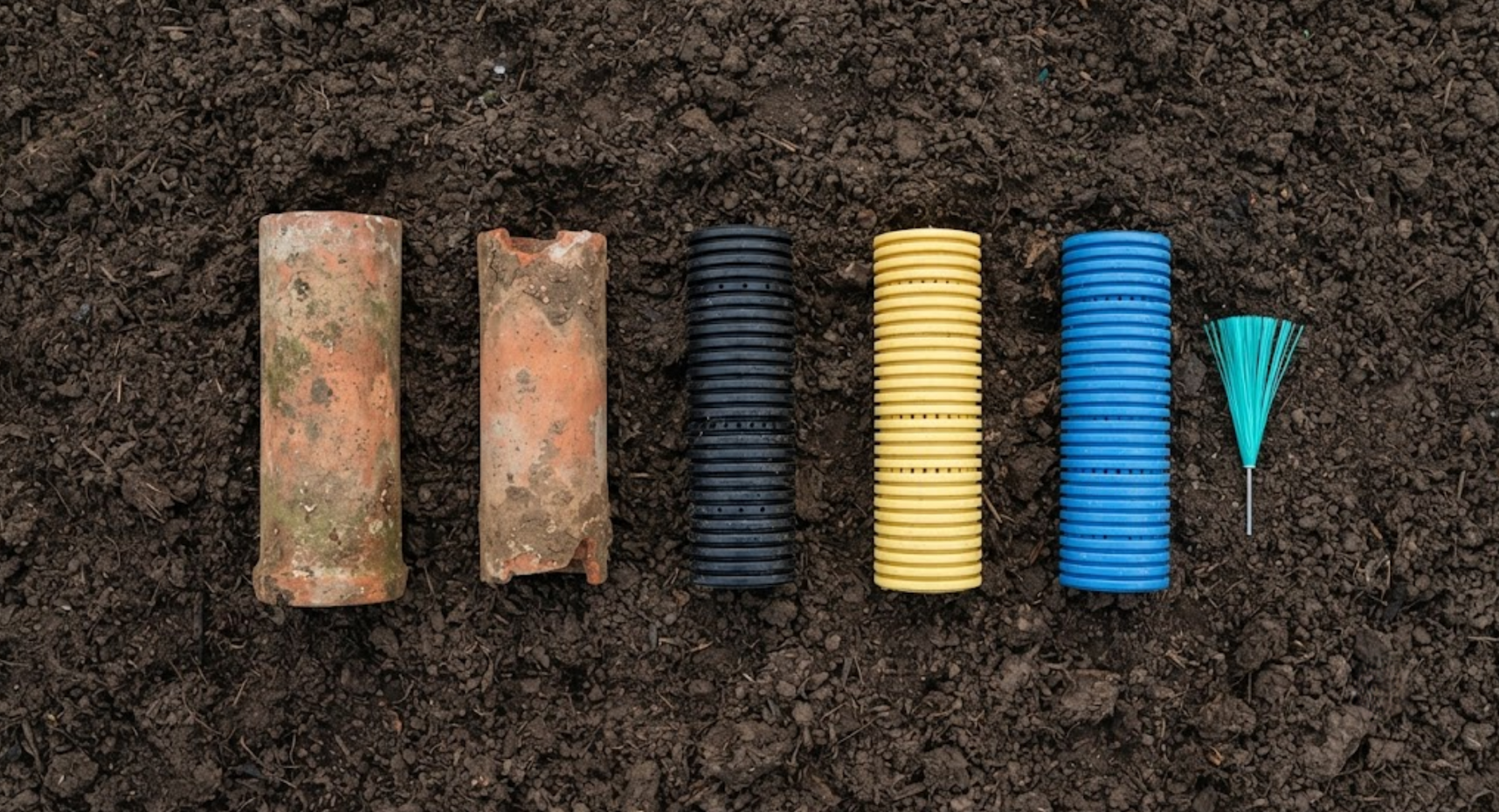
Soil and drainage first, because they are the farm. Pull the Canada Land Inventory class and any available soil mapping for the parcel, and ask directly about tile drainage: whether fields are systematically tiled, when, and whether drainage maps exist. Tile drainage can transform both yields and land rents in Eastern Ontario's heavy soils, installed systems represent an investment of thousands of dollars per acre at current installation costs, and undocumented or failing tile is a real negotiating item. Walk the fields, or have someone knowledgeable walk them: wet corners in July, rutting, and weed pressure tell you things the kitchen table conversation will not. Ask what has been cropped, what inputs the land has had, and whether any land is rented out under existing arrangements that will carry past closing.
Water and infrastructure second. A farm may run multiple wells of varying age and record quality, plus surface water with its own considerations; our piece on well water testing applies to every drilled well on the property, and livestock intentions raise the bar on volume and reliability. Outbuildings deserve individual attention rather than a collective glance: foundation condition on the bank barn, roof and structural steel on machine sheds, wiring vintage everywhere, because dated wiring in barns is both a safety issue and an insurance conversation. Our outbuilding article covers the workshop case in detail. Fuel storage, old dumps, and any history of fuel or chemical handling belong on your environmental questions list, and septic systems serving the farmhouse get the same scrutiny as any rural septic.
Then the paper layer: confirm any drainage assessments under the Drainage Act affecting the property, since municipal drain maintenance is billed to benefiting landowners, existing leases or cropping agreements, and hunting or access arrangements a seller may consider informal but neighbours consider settled.
It is a long list, and that is the good news. Almost everything on it is knowable before you sign, most of it is negotiable once known, and a farm that passes this inspection is one of the most thoroughly understood purchases a buyer can make anywhere in the market.
How Is Financing a Farm Different From a Residential Mortgage?
The financing surprise catches more farm buyers than any zoning rule, so meet it early: many residential lenders do not finance farms the way they finance houses, and the property you are buying may not fit the mortgage you assumed you would get.
The core issue is what the lender is willing to value and take as security. Conventional residential lenders commonly base their lending on the house and a limited amount of surrounding land, discounting or excluding the value of extensive acreage, large outbuildings, and anything that looks like commercial agriculture. A property that is legally and functionally a working farm may push you toward agricultural lending entirely: Farm Credit Canada, the federal agriculture-focused lender, and the agriculture divisions of the major banks and credit unions active across Eastern Ontario. Agricultural loans are underwritten differently, often looking at the farm operation's income potential as well as the real estate, and down payment expectations frequently run higher than the residential norms buyers know, with 25 percent or more being a common planning assumption for farm purchases. Where the purchase is primarily a residence with hobby-scale land, some buyers structure toward residential lending; where it is a working operation, agricultural lending usually fits better and brings lenders who actually understand tile drainage and heifers.
Practical sequence: get lender conversations started before you shortlist properties, be precise with your lender about acreage, outbuildings, income intentions, and the farm tax classification, and expect appraisal to take longer, because farm appraisers are fewer and the work is more involved. Insurance runs parallel: farm policies differ from homeowner policies, and quoting early avoids closing-week drama. HST also deserves a professional's eye on farm transactions, since farmland and farm business assets can carry HST implications a residential deal never raises; your lawyer and accountant should be involved before the offer, not after.
None of this is a barrier so much as a different door. Eastern Ontario's agricultural lending ecosystem is mature, competitive, and accustomed to first-time farm buyers, and a purchase financed on proper agricultural terms, by a lender who wanted the deal, starts life on a far sounder footing than one squeezed through the wrong mortgage. Buyers who begin with the financing conversation buy their farms with the calm of people who know the money fits the land.
Frequently Asked Questions
What is the difference between Agricultural and Rural zoning in Eastern Ontario?
Agricultural zones protect active farmland, generally sitting over prime soils identified through Canada Land Inventory Classes 1 to 3, and restrict non-farm uses, new residential development, and severances under the Provincial Planning Statement, 2024. Rural zones cover general countryside, permit a wider range of uses, and offer municipalities more flexibility on lot creation. The zoning by-law and official plan designation for the specific parcel, available from the municipality, are the documents that decide what your plans require.
How does the farm tax rate program reduce property taxes?
The Farm Property Class Tax Rate Program places eligible farmland and farm outbuildings in a property class taxed at no more than 25 percent of the municipal residential rate, per the Government of Ontario program guidelines administered by Agricorp with MPAC and municipalities. The farmhouse and one acre stay at the residential rate. Eligibility generally requires MPAC farmland assessment, use by a farm business with a valid Farm Business Registration number, and typically $7,000 or more in annual gross farm income, with defined exemptions available.
Can I sever and sell building lots from a farm I buy?
On prime agricultural land, generally no: provincial policy limits lot creation to narrow circumstances such as splits for agricultural use and the surplus farm dwelling scenario, which usually comes with a condition preventing a new house on the retained farmland. On non-prime Rural land, limited severances may be possible under some official plans. Verify parcel-specific potential with the municipal planning department before purchase rather than pricing hope into your offer.
Do I need a special mortgage to buy a farm?
Often, yes. Residential lenders commonly lend against the house and limited acreage only, so working farms frequently route through agricultural lenders such as Farm Credit Canada or the agriculture divisions of banks and credit unions, with different underwriting and typically larger down payment expectations. Start lender conversations before shortlisting properties, and involve a lawyer and accountant early for HST and structuring questions.
What should I inspect first on a working farm?
The land itself: soil class, tile drainage condition and mapping, and field condition walked in person. Then water supply across all wells, structural and electrical condition of each outbuilding, septic, fuel and chemical storage history, Drainage Act assessments, and any leases or cropping arrangements that survive closing. Nearly all of it is knowable before an offer, which is exactly why farm diligence rewards the patient buyer.
Thinking about your first farm?
The Driscoll-Peca Team works farm, acreage, and rural transactions across Eastern Ontario, and our free guide, Buy Like a Pro in Eastern Ontario, packages the diligence framework behind this article. When you are ready to walk fields instead of reading about them, we are ready to walk them with you.