




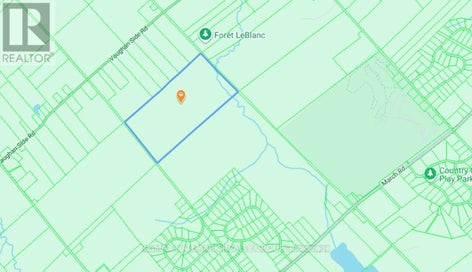
![3361 MARCH [1950 CORKERY RD, 1999 FOREST EDGE RD] ROAD Ottawa ON K0A 1L0](https://photos.prod.cirrussystem.net/2167/b237ee61024b36f135b4d1eee40c343b/2286901800.jpeg?d=s&width=400&height=272)



Check out this article next
One of the most common reasons rural real estate deals fall apart in Eastern Ontario is not the home inspection, it’s the septic system.
If your property sits on limestone soil, your system may still be functioning perfectly but fail current regulations due to insufficient soil depth.
In many cases, septic systems in limestone areas fail inspections not because they stop working, but because they no longer meet Ontario Building Code requirements.
This is where many sellers get caught off guard.
According to the Ontario Building Code (O. Reg. 350/06), the bottom of a septic leaching bed must be at least 900mm above bedrock, groundwater, or restrictive soil layers.
In simple terms, a septic system needs enough natural soil beneath it to properly filter wastewater before it reaches groundwater.
A septic system in Ontario requires at least 900mm of natural soil below the leaching bed to meet current code standards.
If that separation does not exist, the system may be considered non-compliant, even if it is still working.
In limestone-heavy areas such as Almonte, Carp, and Merrickville, this requirement is often difficult, or impossible, to meet without engineered solutions.
The effectiveness of a Class 4 leaching bed depends on the soil’s ability to filter effluent before it reaches groundwater or restrictive layers like limestone. For this reason, the Ontario Building Code (Division B, Part 8, Section 8.7.3.2) enforces this minimum vertical separation.
In much of Leeds and Grenville, shallow bedrock limits natural soil depth. If your property sits on limestone, your system is likely a raised bed (mound system) or may have been approved under older regulations.
If a pre-sale inspection reveals insufficient separation, the system may need to be replaced or upgraded to meet current standards.
Sellers should request a septic file search from:
Rideau Valley Conservation Authority (RVCA)
Mississippi Valley Conservation Authority (MVCA)
The typical cost is approximately $175.
This confirms whether the existing system matches the original permit and helps identify issues before they affect a sale.
Upgrading or altering a septic system in Eastern Ontario involves both permit fees and construction costs that must be factored into the net proceeds of a sale.
As of April 1, 2026, the Rideau Valley Conservation Authority (RVCA) has established the following permit fees:
| Service Type | 2026 RVCA Fee | |
|---|---|---|
| New Class 4 Leaching Bed | $990 | |
| Major Alteration to Existing System | $460 | |
| Class 4 Septic Tank Replacement Only | $470 | |
| Class 4 Maintenance Contract Registration | $155 | |
| Consent Application Involving Septic | $355 |
It is critical to note that these fees are for the permits alone. In Lanark County and surrounding areas, a 50% surcharge applies if construction begins before the permit is issued. Sellers should also be aware that permits are only valid for 12 months, with a single 12-month renewal option. If a system is replaced but the property does not sell within two years, the permit may lapse, requiring a new application and fee.
These fees apply to permits only and do not include installation or construction.
Typical additional costs may include:
Estimated total system replacement costs:
If a permit expires before completion, a new application and fee may be required.
If a septic system is found to be non-compliant during a transaction:
Septic compliance can directly affect both the timeline and final sale price of a property.
A common mistake among sellers in North Grenville and Kemptville is assuming a pump-out receipt is sufficient proof of a healthy system. While pumping is necessary maintenance, it does not address structural obsolescence or soil saturation.
If a buyer’s due diligence reveals a non-compliant soil mantle depth, they may demand a holdback or a full system replacement.
In limestone-heavy terrains, the cost of a new raised mound system can vary significantly depending on the volume of engineered sand required to achieve the 900mm separation.
Sellers should obtain at least two quotes from licensed installers specializing in difficult terrain conditions.
An unaddressed septic issue discovered shortly before closing can delay the transaction or result in significant price concessions.
Before bringing your rural property to market, follow this technical checklist to evaluate your septic asset:
Verify Separation: Is the current leaching bed at least 900mm above bedrock or the water table?
Audit Permits: Do the physical dimensions of the bed match the permit on file at the RVCA?
Assess Alterations: Have you added bedrooms or finished a basement? Any increase in daily design flow requires a permit for a "Major Alteration" ($460).
Check Maintenance: Is there a registered maintenance contract on title for specialized Class 4 systems? This is a $155 registration fee with the RVCA.
Actionable Observation: A proactive septic inspection and record search allow the seller to control the narrative. Disclosing a modern, compliant system as a capital improvement is a far stronger position than defending an obsolete system during a buyer’s inspection.
Septic condition is only one part of rural due diligence. Permits, system capacity, wells, zoning, insurance, road access and land-use restrictions can all create expensive surprises after closing. Know what to verify before you commit.
GET THE 25-POINT BUYER GUIDEThese active listings are located in rural areas where septic systems are common and limestone soil conditions may influence system design, maintenance, and long-term performance.
How do I know if I have a raised bed or a traditional leaching bed?
A raised bed is visually identifiable by a distinct "mound" or elevated area on the property where the leaching pipes are located. In limestone-heavy areas like Richmond or Carp, these are common because the natural soil depth is insufficient to meet the 900mm requirement. A traditional bed is flush with the natural grade. If you are unsure, the RVCA file search for $175 will clarify the system type and the conditions under which it was approved.
Can I sell my house if the septic system doesn't meet the current 900mm code?
Yes, but you must disclose it. Most buyers in the Eastern Ontario rural market will require a septic inspection. If the system is functional but non-compliant with the current Ontario Building Code, the buyer's lender may flag it as a risk. Often, the solution is a price reduction or a "holdback" where funds are kept in escrow until the system is upgraded to meet the modern RVCA permit standards.
Is the RVCA permit valid for the new owner after the sale?
Yes, the permit is attached to the property, not the owner. However, the RVCA 2026 rules state the permit is only valid for 12 months from the date of issuance. If you pull a permit to repair the system before selling, ensure the work is completed or the permit is renewed within its 24-month maximum lifespan to avoid additional costs for the buyer.
The price gap between Stittsville and Almonte is undergoing a measurable recalibration. The Driscoll-Peca Team analyzes how shifting absorption rates and a projected decline in…
Read Article
Share My QR |
|