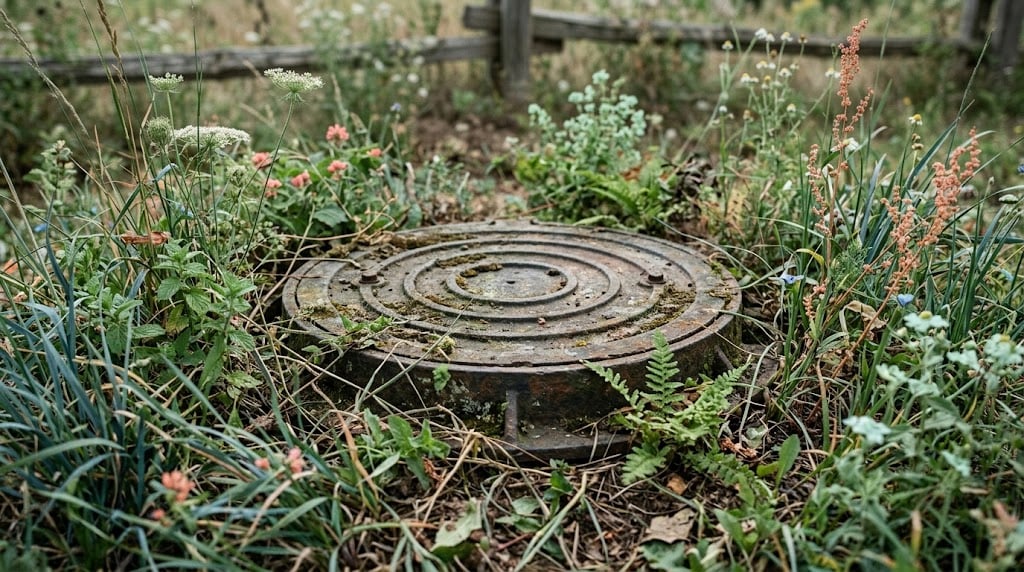
The short answer: Beyond the visible home, rural properties in Eastern Ontario and Frontenac County often involve essential but unseen infrastructure like private wells and septic systems, complex land characteristics, and unique regulatory frameworks. These hidden aspects, ranging from water quality and waste management to zoning, easements, and conservation restrictions, are fundamental to a property's value, functionality, and future development potential, requiring thorough due diligence from both buyers and sellers.
Moving to or selling a home in the scenic rural landscapes of Eastern Ontario and Frontenac County offers a unique lifestyle, whether you're seeking tranquility in North Grenville or a waterfront retreat near Westport. However, rural living comes with its own set of considerations that often go unnoticed during an initial viewing. Unlike urban properties connected to municipal services, rural homes rely on private systems and are subject to specific land-use regulations. Understanding these hidden aspects is not just about avoiding future problems; it's about making an informed decision that truly aligns with your long-term goals and investment.
For buyers, uncovering what truly lies beneath the surface means asking the right questions, performing thorough inspections, and understanding local nuances. For sellers, it's about preparing documentation, addressing potential issues proactively, and clearly communicating the full scope of your property's features and limitations. Let's delve into the less obvious, but critically important, elements that shape rural property ownership in our beautiful region.
The Lifeline: Understanding Wells and Water Quality
Access to clean, reliable water is paramount for any rural property. Unlike municipal water systems, private wells require ongoing maintenance and monitoring. For buyers, it’s not enough to simply know there's a well; you need to understand its characteristics. Key factors include the well's age, type (drilled or dug), depth, and the historical records of its yield, especially during dry seasons. Ensuring consistent water pressure and volume is essential for daily living.
Crucially, water quality is another non-negotiable aspect. While the water may appear clear, unseen contaminants like bacteria (e.g., E. coli), nitrates, or heavy metals can pose health risks. Regular testing is vital to ensure the water is safe for consumption and household use. To gain a deeper understanding of what comprehensive testing involves and what the results mean for your potential home, we strongly recommend reviewing our dedicated resource on what a well water test can tell rural buyers in Eastern Ontario. This will provide clarity on the types of tests, common issues, and how to interpret the findings.
Sellers, on the other hand, can significantly streamline their process by having up-to-date well records and recent water quality test results readily available. Providing a clean bill of health for your water source instills confidence in prospective buyers and demonstrates proactive property management. If tests reveal any concerns, addressing them before listing can prevent delays and negotiations later on.
Waste Not, Want Not: Septic Systems Explained
Just as critical as water supply is the system for managing household waste. Most rural properties in Eastern Ontario utilize a private septic system, which is a significant piece of underground infrastructure. Understanding its operation, condition, and maintenance history is vital. A septic system typically consists of a septic tank where solids settle, and a leaching bed (or drain field) where wastewater is treated and dispersed into the soil.
Key Considerations for Buyers:
- System Age and Type: Modern systems often differ from older ones in design and efficiency. The age of the system is a strong indicator of its potential remaining lifespan and maintenance needs.
- Permits and Records: Local health units oversee septic installations. Reviewing original permits, design plans, and any records of repairs or pumping can provide a comprehensive history.
- Capacity: The system's capacity must be appropriate for the size of the home and the number of occupants. An undersized system can lead to costly failures.
- Inspections: A professional septic inspection is highly recommended. This goes beyond a visual check and often involves locating the components, assessing the tank's integrity, and evaluating the leaching bed's performance.
Eastern Ontario's varied geology, including areas with significant limestone bedrock, presents unique challenges for septic systems. These geological conditions can sometimes contribute to system failures. For a detailed discussion on regional specifics and preventative measures, exploring why septic systems may fail on limestone soil in Eastern Ontario is highly recommended. Furthermore, understanding the impact of system age and capacity is crucial, as these factors can sometimes stall rural property sales; insights into these challenges can be found in discussions around selling rural properties in Eastern Ontario.
Seller's Tip for Septic Systems: Proactively obtain a recent septic system inspection report and have your tank pumped before listing. This not only demonstrates transparency but can also prevent last-minute issues from derailing a sale.
Defining Your Domain: Property Boundaries and Easements
While a survey might seem like an extra expense, understanding your exact property boundaries is crucial for rural land, where fences or natural markers can be misleading. A current survey helps define your domain and prevent potential disputes with neighbours regarding shared driveways, encroaching structures, or tree lines.
Equally important are easements and rights-of-way. These are legal rights held by others to use a portion of your property for a specific purpose, such as utility access (hydro lines, gas pipelines), shared driveways, or drainage. They can impact where you can build, expand, or even plant trees. While they are typically registered on title, confirming their exact location and implications is essential. An easement might not always be visible on the ground, but its legal presence can significantly affect your property's usability.
Shoreline Road Allowances (SRAs): A Waterfront Specific
If you're considering a waterfront property in areas like Frontenac County or along the Rideau Waterway, you'll need to be aware of Shoreline Road Allowances (SRAs). These are strips of land, typically 66 feet (20 meters) wide, along natural shorelines that were originally reserved for public access. While many have been purchased and closed by property owners over time, some remain in municipal ownership. This can impact your property rights directly to the water's edge and potentially affect your ability to build or make certain improvements near the shore. To fully grasp the nuances and potential risks associated with these unique land features, we encourage you to explore our detailed guide on Shoreline Road Allowances (SRA) in Eastern Ontario.
The Rulebook: Zoning, Bylaws, and Development Potential
Rural properties are governed by municipal zoning bylaws and other regulations that dictate how land can be used and what can be built on it. Simply put, zoning controls the type of activities permitted on a property (residential, agricultural, commercial) and often specifies requirements like setbacks, building heights, and lot coverage. Understanding these rules is fundamental, especially if you have plans for expansion, adding outbuildings, or operating a home-based business.
For sellers, ensuring your property is compliant with current zoning and bylaws is crucial. Any unpermitted structures or non-conforming uses could become a point of contention during a sale. For buyers, it’s about verifying that your vision for the property aligns with what’s legally permissible. Don't assume that because a property is large, you can do anything you wish with it.
Conservation Authority Regulations
Many areas in Eastern Ontario fall under the jurisdiction of various Conservation Authorities (CAs), such as the Rideau Valley Conservation Authority or the Cataraqui Region Conservation Authority. These bodies protect natural resources, manage floodplains, and regulate development in or near wetlands, shorelines, and other environmentally sensitive areas. If a property lies within a regulated area, permits from the CA may be required for certain activities, from building additions to grading the land or installing a dock. This adds another layer of due diligence. To navigate these specific requirements effectively, it's beneficial to review information on Eastern Ontario Conservation Authority permits.
Planning Ahead: Always check with the local municipal planning department and the relevant Conservation Authority early in your property search. They can provide invaluable information on zoning, permitted uses, and any specific regulations pertaining to a particular address.
Soil, Topography, and Environmental Factors
Beyond the visible landscape, the very ground beneath your feet can hold hidden implications. Soil type affects everything from gardening potential to drainage and septic system performance. Steep slopes or challenging topography can complicate construction or landscaping projects, potentially increasing costs. A property's environmental characteristics, such as proximity to wetlands, natural heritage features, or even a previous history of industrial use (though rare in purely residential rural areas), can also impact its value and permitted uses.
Understanding these elements can inform decisions about gardening, livestock, building locations, and overall property management. For instance, knowing the soil composition can help a prospective farmer determine the suitability of the land for specific crops or inform how a homeowner manages stormwater runoff.
Road Access and Maintenance
While often visible, the legal status and maintenance of rural roads can sometimes be a 'hidden' aspect. Is the road municipal, privately maintained, or a seasonal road? Municipal roads are typically plowed and maintained by the township. Private roads or shared laneways, common on acreage for sale near Kemptville or in other rural pockets, require collective responsibility and often a shared agreement among residents for plowing, grading, and repairs. Understanding these arrangements before you buy or sell can prevent future disagreements and unexpected expenses.
Navigating the Process with Confidence
The allure of rural living in Eastern Ontario is undeniable, offering space, peace, and a connection to nature. However, a successful rural real estate transaction hinges on a thorough understanding of these underlying components. For buyers, comprehensive due diligence protects your investment and ensures the property meets your expectations for the long term. For sellers, proactively addressing and documenting these aspects can differentiate your listing and lead to a smoother, more transparent sale.
Exploring the diverse regions and communities within Eastern Ontario and Frontenac County, such as the charming villages and expansive landscapes, often reveals unique property characteristics. For a deeper dive into these areas, you might find our Frontenac County page helpful, providing insights into specific local features and market trends.


When you’re ready to delve into the intricacies of buying or selling a rural property in Eastern Ontario, the team at The Driscoll-Peca Real Estate Team at REAL Brokerage is here to help. Deb Driscoll, Jaime Peca, and Luke Geleynse bring a knowledgeable perspective on the local market and can help you navigate these hidden aspects with clarity and confidence. Reach out to discuss your real estate goals.
Check out this article next