






Check out this article next
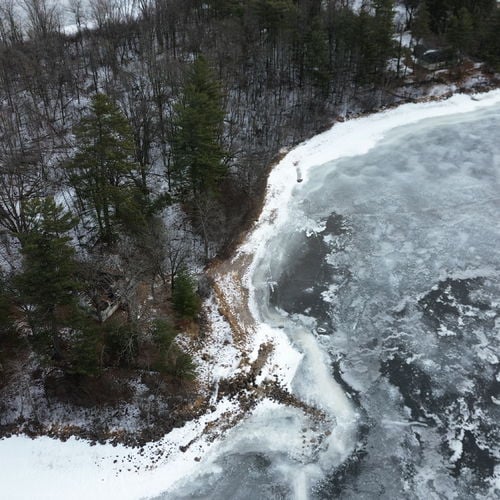
Many rural land buyers assume that if a property was considered buildable several years ago, the approval process remains essentially unchanged today. In Eastern Ontario, that assumption increasingly creates expensive problems.
Conservation Authority review now affects far more than large-scale development projects. Septic approvals, fill placement, grading, shoreline alterations, dock construction, hazard-area reconstruction, and drainage modifications can all trigger additional review depending on jurisdiction, property characteristics, and watershed conditions.
For buyers looking at properties in North Grenville, Merrickville, Perth, Smiths Falls, Carleton Place, or surrounding rural corridors, understanding the distinction between municipal approval and Conservation Authority approval has become part of basic due diligence.
The challenge is that many rural properties appear straightforward during the showing process. A large lot, waterfront frontage, or cleared area can create the impression that future development is relatively simple. In practice, wetlands, floodplain designations, shoreline road allowances, slope hazards, drainage conditions, and septic feasibility can materially change what can realistically be built, expanded, or reconstructed.
This is particularly important in Eastern Ontario because many properties exist within jurisdictions managed by the Rideau Valley Conservation Authority (RVCA) or the Mississippi Valley Conservation Authority (MVCA), each of which applies its own fee structures, review procedures, and hazard-management frameworks.
One of the most common misunderstandings in rural real estate is assuming municipal zoning approval automatically resolves all development concerns.
In Eastern Ontario, municipal zoning and Conservation Authority review operate as overlapping but distinct layers of regulation.
A municipality may confirm:
At the same time, the Conservation Authority may separately review:
This distinction becomes especially important for waterfront properties and rural lots near creeks, drainage corridors, wetlands, or low-lying terrain.
A buyer may believe they are purchasing a simple expansion opportunity when in reality the property falls within a regulated hazard area requiring additional technical review before permits can proceed.
In some cases, the issue is not whether development is prohibited. The issue is cost, timing, and complexity.
Engineering studies, grading plans, environmental review, shoreline analysis, septic redesign, and permit fees can substantially increase total project costs after closing.
Actionable Observation: Buyers should confirm both municipal zoning and Conservation Authority jurisdiction before assuming a rural property can be expanded, rebuilt, or redeveloped economically.
Another major misconception is assuming permit costs and review standards are uniform across Eastern Ontario.
They are not.
The Rideau Valley Conservation Authority and the Mississippi Valley Conservation Authority apply different schedules and review structures depending on the nature of the project.
For example, hazard-area reconstruction fees differ depending on whether the project involves:
These distinctions matter because relatively small project changes can trigger materially different permitting pathways.
A property owner planning to:
may encounter a very different approval process than expected.
This becomes especially relevant in:
The practical reality is that many buyers still budget construction projects based on contractor pricing alone.
In rural Eastern Ontario, permitting and environmental review increasingly represent a separate cost category entirely.
Actionable Observation: Development budgeting in Eastern Ontario should include a regulatory review stage before finalizing assumptions about project feasibility.
Waterfront demand remains strong across Eastern Ontario, but waterfront ownership also introduces technical and regulatory complexity that many buyers underestimate.
Shoreline work is rarely treated as simple landscaping.
Projects involving:
can trigger Conservation Authority review depending on location and environmental sensitivity.
At the same time, many waterfront buyers focus heavily on visual appeal while overlooking:
In some Eastern Ontario waterfront corridors, shoreline road allowances further complicate ownership assumptions.
A buyer may assume that visible shoreline access automatically forms part of the deeded property when in reality portions of the shoreline corridor may involve municipal ownership, licensing arrangements, or unresolved access structures.
This becomes particularly important when planning:
The strongest waterfront purchases in Eastern Ontario increasingly involve buyers who evaluate not only the view and frontage, but also:
Actionable Observation: Waterfront due diligence should treat shoreline conditions and regulatory status as part of the asset itself, not as secondary technical details.
Across many Eastern Ontario rural communities, septic systems remain one of the least understood components of property evaluation.
Many buyers assume that if a system is currently functioning, future replacement or expansion will remain straightforward.
That assumption becomes dangerous in regions with:
Eastern Ontario contains numerous areas where septic replacement options become technically limited over time.
A system that functioned adequately decades ago may no longer align with current standards, particularly if:
This creates several important buyer questions:
Many buyers focus heavily on interior renovations while underestimating the financial exposure created by septic replacement uncertainty.
In some rural transactions, septic redesign can become one of the single largest unexpected ownership costs.
Actionable Observation: Buyers evaluating rural properties should treat septic feasibility as a long-term asset question, not merely a current functionality question.
Eastern Ontario rural property is no longer evaluated solely through acreage, frontage, or scenic value.
Technical complexity increasingly shapes marketability, financing, redevelopment potential, and long-term ownership costs.
The strongest rural properties today often combine:
Meanwhile, technically constrained properties may appear attractive initially while carrying hidden limitations that only emerge during engineering review, permit applications, or redevelopment planning.
This shift is changing buyer behavior.
More serious buyers are increasingly:
That trend is likely to continue.
As permitting, environmental review, and infrastructure costs rise, technical due diligence becomes more central to rural valuation itself.
Before purchasing rural or waterfront property in Eastern Ontario, buyers should verify:
Buyers who evaluate these questions before closing are often better positioned to avoid expensive surprises after ownership begins.
Conservation Authority rules are only one part of rural and waterfront due diligence. Zoning, septic systems, wells, road access, insurance and land-use restrictions can also change what you can do with a property and what it really costs to own.
GET THE 25-POINT BUYER GUIDEDo Conservation Authority rules apply even if municipal zoning allows development?
Yes. Municipal zoning and Conservation Authority review are separate processes. A property may comply with zoning requirements while still triggering additional environmental or hazard-area review through the applicable Conservation Authority.
Are waterfront properties harder to renovate in Eastern Ontario?
In many cases, yes. Shoreline work, grading, docks, drainage modifications, and additions can involve additional permitting requirements depending on jurisdiction and shoreline conditions.
Why are septic systems a larger issue in rural Eastern Ontario?
Shallow soils, limestone conditions, groundwater separation requirements, and aging systems can complicate future replacement or expansion. A functioning system today does not automatically guarantee easy future redevelopment.
What is the biggest mistake rural buyers make?
Many buyers evaluate visual appeal and acreage before investigating technical feasibility. Regulatory exposure, shoreline restrictions, septic limitations, and hazard overlays increasingly shape the true usability of rural property.
Buying waterfront? You may not actually own the shoreline. Shoreline Road Allowances (SRA) can affect permits, value, and long-term usability. Here’s how to spot the…
Read Article
Share My QR |
|