


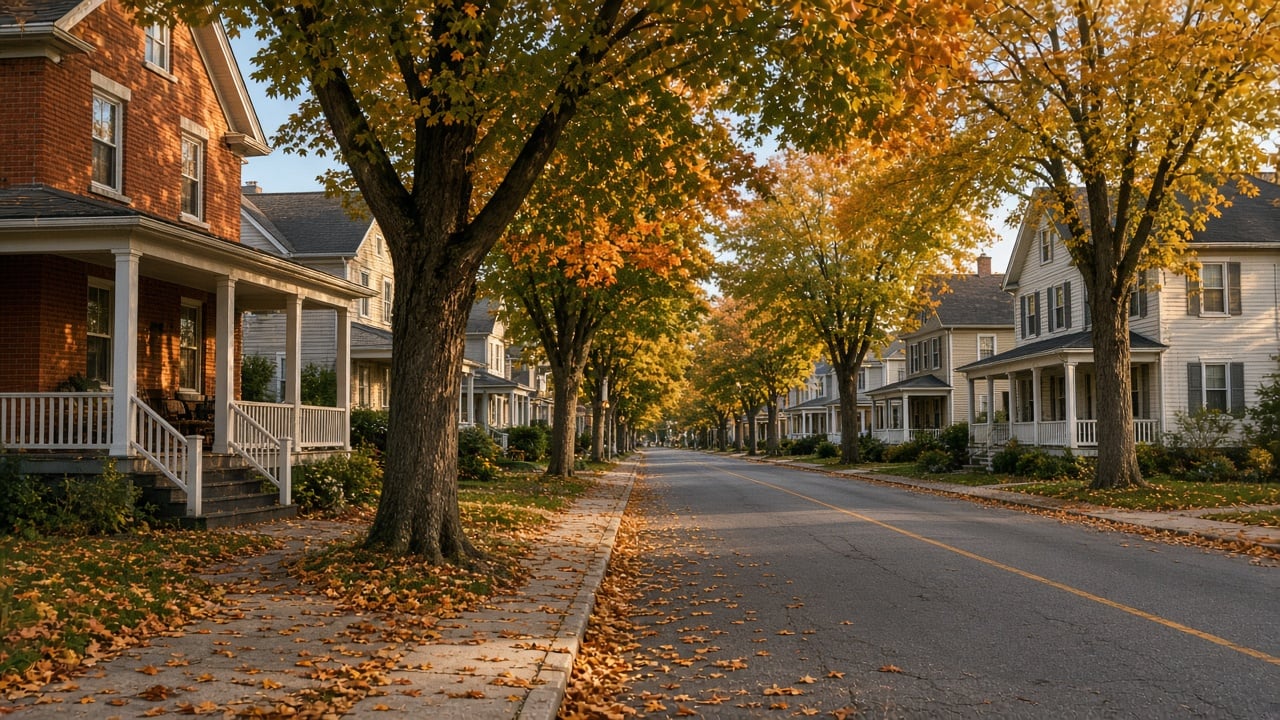
Most people who call us about Kemptville have already decided on the town. What they haven’t decided is the house.
An 80 year old brick home in Old Town, a new build in eQuinelle or Oxford Village, and a bungalow on two acres off a concession road are three completely different purchases. They come with different costs, different risks and a different list of things to check before you firm up.
So this post skips the “is Kemptville nice” part. We’ve covered that elsewhere. This one is about picking the right type of home, and the homework that goes with each.
Want to see what is on the market right now? Browse our current listings below.


First, a quick word on the town itself
If you’re still weighing Kemptville as a whole, start with our post on whether Kemptville is a good place to live for families. If the drive is your worry, read our breakdown of the real commute from Kemptville to Ottawa.
One thing to keep in mind as you read on: the type of home you choose changes the commute too. A rural property 15 minutes from the 416 is a different daily drive than a house near the interchange.
Option 1: an in-town home in Old Town or an established street
This is the choice for people who want to walk to things. Prescott Street shops, the Sunday farmers’ market on Sanders Street, the trails at Ferguson Forest Centre. You get mature trees, sidewalks and municipal water and sewer.
The trade is age. Older homes have character, and they also have history you can’t see from the curb.
What to check before firming up on an older in-town home
- Wiring. Ask your inspector to look for knob and tube or older aluminum wiring. Some insurers won’t cover a home with knob and tube, or will only cover it at a higher premium, so get an insurance quote during your conditional period.
- Foundation. Older stone or block foundations can be perfectly sound. Look for moisture, efflorescence and cracks, and ask about any past waterproofing work.
- Plumbing and the sewer line. Older galvanized supply lines and clay or cast iron sewer laterals are worth a closer look. A sewer scope is a modest cost compared with digging up a lateral.
- Renovations and permits. Older homes have usually been renovated more than once. Ask what was permitted. North Grenville’s building department can tell you what permits are on file.
- Heritage status. Some properties may be listed or designated under the Ontario Heritage Act. That can affect exterior changes, so confirm with the Municipality.
- Heating. Find out the fuel, the age of the system and whether there’s ever been an oil tank on the property, even an old buried one.
Our honest view: an older in-town home rewards a buyer who likes the place more than the floor plan and budgets for updates.
Option 2: a new build in eQuinelle, Oxford Village or The Creek
Kemptville has seen a lot of new home construction. eQuinelle is a master-planned community built around a golf course near the Rideau River, with a resident club. Oxford Village sits on County Road 43 across from Somerville Road, with Mattamy Homes as the main builder in its first phase and its own water treatment plant built for the development.
Urbandale is building The Creek. Phases, lot types and availability change constantly, so the builder’s own site is the only current source.
People pick new builds for the warranty, the efficiency, the open layouts and not having to renovate for years. Fair enough. But buying from a builder isn’t like buying a resale, and the paperwork is where most surprises hide.
What to check before signing with a builder
- Tarion warranty. New homes in Ontario come with a statutory warranty backed by Tarion:
- One year for workmanship and materials
- Two years for things like water penetration and electrical, plumbing and heating systems
- Seven years for major structural defects
Learn the deadlines for submitting warranty forms. They matter.
- Closing adjustments. The price on the sign is rarely the final number. Agreements often include closing adjustments, such as increases in development charges, and your builder can only charge the ones listed in Schedule B of the Tarion Addendum. Read that schedule and ask whether the builder will cap these.
- HST and rebates. New homes carry HST, which is usually built into the price with rebates assigned to the builder. Federal and Ontario rebate rules have changed recently, so confirm with your lawyer exactly which rebates apply to you and how the price treats them.
- Delayed closing terms. Read the Tarion Addendum section on closing dates. It sets out how and when a builder can extend, and what compensation may apply.
- Have a lawyer review it. Ontario gives buyers of new condominiums a ten day cooling off period. New freehold homes don’t get one. Get legal review before you sign, or make the deal conditional on it.
- What’s next door. Look at the subdivision plan. The field behind your lot today may be the next phase.
- Resale new builds. Buying a two or three year old home in one of these communities? Ask how much Tarion coverage is left, since it transfers with the home.
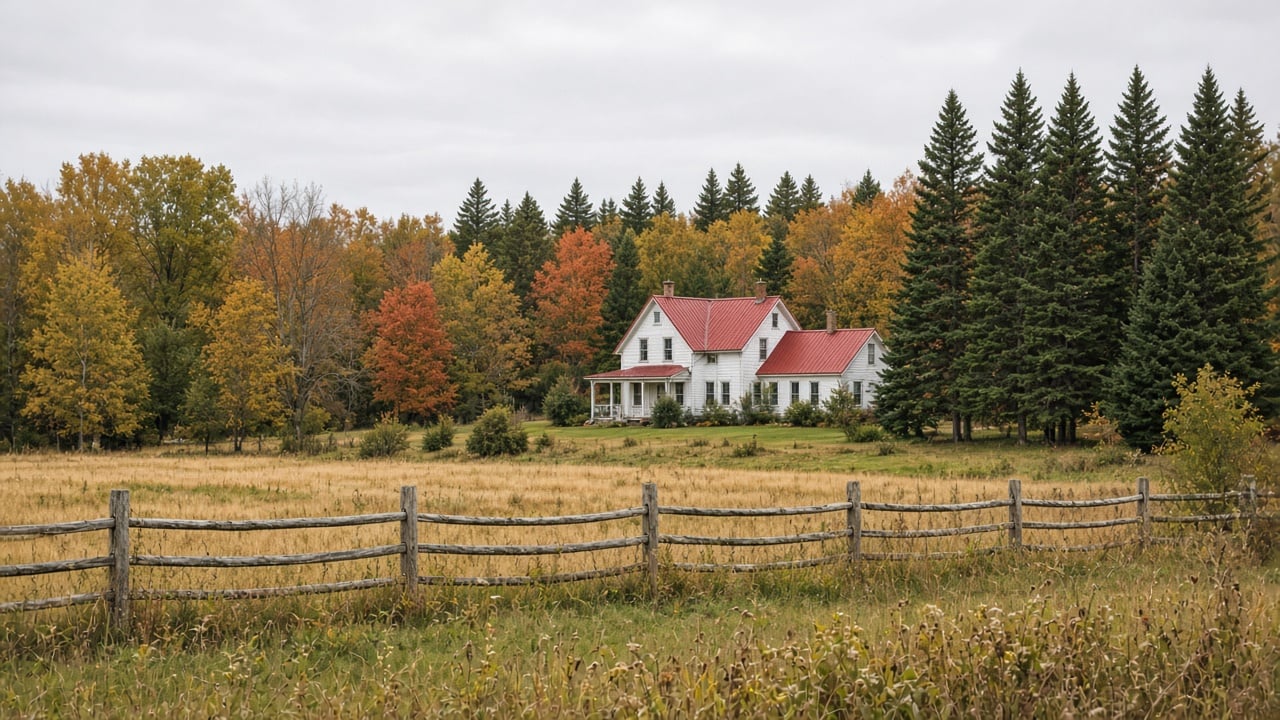
Option 3: a rural North Grenville property
This is the acreage, the detached shop and the space. It’s also the option with the longest due diligence list, mainly because you’re taking on systems the town would otherwise handle for you.
What to check before firming up on a rural home
- Well water quality. Make your offer conditional on testing. Ontario private well owners can get free bacterial testing through Public Health Ontario, and an accredited lab can do a broader chemistry test. We wrote a full post on what a well water test tells rural buyers.
- Well quantity and records. Ask for the well record and any past tests. A flow test tells you whether the well keeps up with your household.
- Septic. Get a septic inspection from someone who specializes in it, not just your general home inspector. Ask the age of the system, the last pump out and whether permits are on file.
- Zoning and setbacks. Planning a shop, a pool or a second unit? Confirm with the Municipality what’s allowed before you count on it.
- Conservation authority rules. Land near creeks, wetlands or the Rideau may need extra permits for building or grading.
- Road and laneway. Is the road municipally maintained year round? Who looks after the lane?
- Internet at that exact address. Rural service varies by road. Check what’s actually available before you rely on it for work.
- Insurance. Distance to a fire hall, wood stoves and oil tanks can all change your quote. Get one before conditions expire.
How we’d help you choose
Here’s the quick version we give clients.
- Pick in town if walking to shops matters, you like older homes and you’re fine budgeting for updates.
- Pick a new build if you want low maintenance, a warranty and modern efficiency, and you’re comfortable reading a builder agreement carefully.
- Pick rural if space and privacy beat convenience, and you’re willing to own your water, your waste and your driveway.
Why we sometimes push back
Sometimes the right fit isn’t the one on the wish list. Luke Geleynse on our team recently worked with a buyer who told him there was absolutely no way he’d buy anything but a bungalow. He wanted his own house, and he was clear about it.
Luke listened first. Then, based on how the buyer described his life, he suggested a different option: the end unit of a fourplex townhouse in Kemptville. It wasn’t what the buyer had in mind.
He bought it. And at the end, he thanked Luke for challenging his original thinking. We’ll always respect your list, but we’ll also tell you when we think something else suits you better.
A lot of buyers tour all three before it clicks. That’s normal, and honestly it’s the best way to figure it out. If you want help comparing real options, our buyer services page explains how we work, or start at the Driscoll-Peca homepage and get in touch.
FAQ: in town, new build or rural in Kemptville
What does the Tarion warranty cover on a new build?
It provides one year of coverage for workmanship and materials, two years for items like water penetration and electrical, plumbing and heating, and seven years for major structural defects. Coverage transfers to later owners within those periods.
Are development charges included in a new build price?
Usually they’re built into the price, but an agreement can let the builder pass on increases as a closing adjustment if it’s listed in Schedule B. Ask whether adjustments are capped.
Do I pay HST on a new build in Kemptville?
New homes are subject to HST, and it’s usually included in the price with rebates assigned to the builder. Confirm with your lawyer which rebates you qualify for.
Is a new build easier to buy than a resale?
Not really. There’s no inspection condition in the usual sense, and the agreement is long. A lawyer should review it before you sign.
Do in-town Kemptville homes have municipal water?
Homes in the serviced parts of town are on municipal water and sewer. Rural properties in North Grenville usually rely on a private well and septic system. Confirm servicing for any specific address.
How do I check a well when buying rural?
Make the offer conditional on water quality testing and a flow test, and ask for the well record. Public Health Ontario offers free bacterial testing for private wells.
Should I get a separate septic inspection?
Yes. A general home inspection rarely covers a septic system in depth. Use a septic specialist and ask for pump out and permit records.
What should I look for in an older Old Town home?
Wiring such as knob and tube, the condition of older foundations, plumbing and sewer laterals, unpermitted renovations and any history of an oil tank.
Are property taxes different in town versus rural North Grenville?
They can be, since assessments and the services provided differ. Ask for the current tax bill and check the property’s assessment on MPAC rather than guessing.
Is internet reliable in rural North Grenville?
It depends on the road. Check the providers available at that exact address before you firm up, especially if you work from home.