


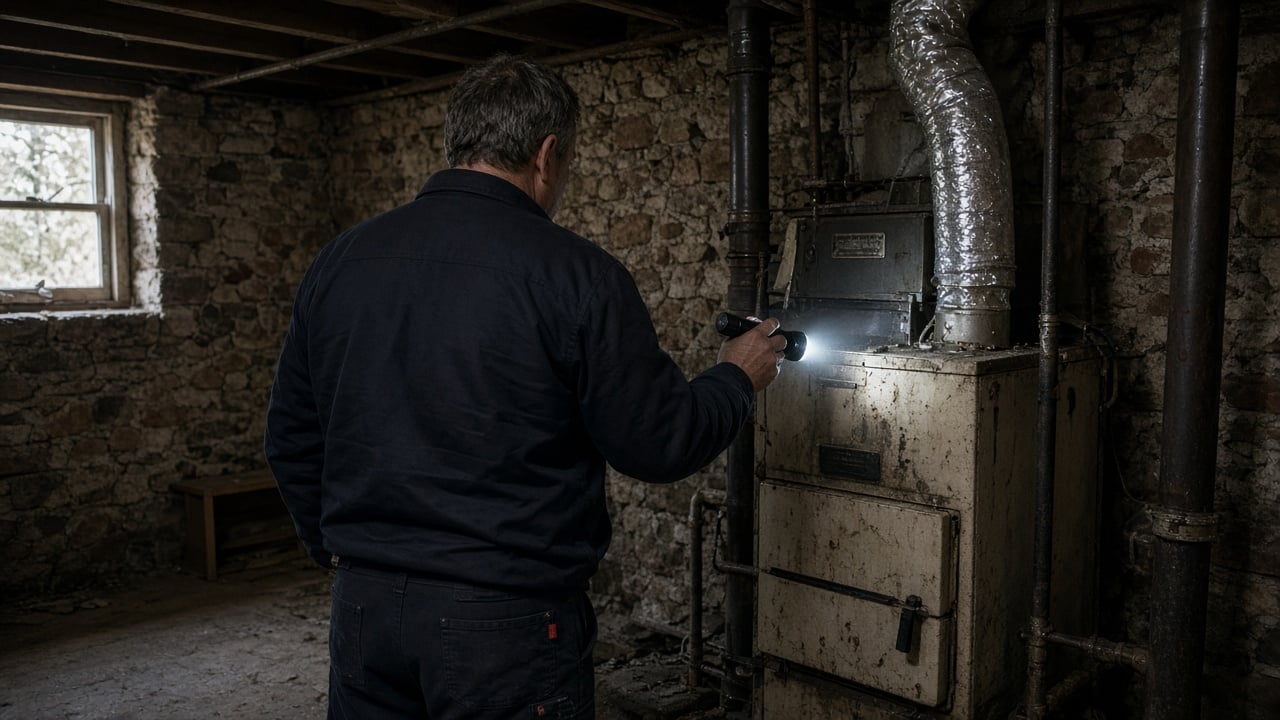
Short answer: to choose a home inspector in Ontario, check their training and certification, read a sample report, ask what they don’t inspect, and confirm they carry insurance. That homework matters because Ontario still has no mandatory licence for home inspectors.
The province passed the Home Inspection Act in 2017, but it hasn’t been proclaimed into force. In practice, that means the quality of your inspection depends on who you hire.
Here’s how we’d choose, based on years of inspections in Kemptville, North Grenville and rural Eastern Ontario.
Before you book an inspection, you’ll need the right house. Browse the homes we have for sale right now.


Why the choice matters more here
A lot of homes around here aren’t simple. Century farmhouses, rural bungalows on well and septic, additions built in three different decades, and stone foundations all need an inspector who’s seen them before.
A quick, generic inspection on a house like that can miss the things that cost real money.
What to check before you book
Training and certification
Ask which association they belong to and what certification they hold. Ontario has several professional bodies with their own standards of practice and continuing education.
Membership isn’t a guarantee, but it means there’s a written standard you can compare their work against.
Experience with your kind of house
Ask directly: how many rural homes, century homes or condos have you inspected? If you’re buying a farmhouse, you want someone who’s crawled under a few.
A sample report
This is our favourite test. A good report has clear photos, plain language, and a summary that separates safety issues from maintenance items.
If the sample is all checkboxes and no explanation, keep looking.
Insurance
Ask whether they carry errors and omissions insurance and general liability. It doesn’t make the inspection better, but it tells you they treat it as a professional business.
The contract
Read the inspection agreement before the day. Look at what’s excluded and any cap on liability. It’s normal for some things to be excluded, but you should know what they are.
Questions we’d ask on the phone
- How long will the inspection take on a house this size?
- Can I attend, and will you walk me through findings at the end?
- When will I get the written report?
- Do you use a moisture meter or thermal camera?
- What do you not inspect, like wells, septic, chimneys or pools?
- Who do you recommend for the things you don’t cover?
What a home inspection doesn’t cover
This trips up a lot of buyers, especially on rural properties. A general inspection usually doesn’t include:
- Water quality or well flow testing.
- Septic system inspection or pump out.
- Wood stove or fireplace certification, which is a WETT inspection.
- Underground oil tanks, buried lines, or anything behind finished walls.
- Detailed electrical work like a full assessment of old wiring.
On a rural home, plan these as separate bookings. Our post on what a well water test tells rural buyers explains the water side.
Winter inspections
Inspecting in winter is completely doable, but snow hides things. Roofs, grading, decks and the septic bed may be covered.
A good inspector will say what they couldn’t see. If the roof was under snow, the report should say so, and you can decide whether to ask for anything else.
Condos, new builds and century homes need different things
Condos
In a condo, the inspector focuses on your unit: plumbing, electrical, appliances, windows, and signs of leaks from above. The building’s roof, structure and garage belong to the corporation, so the status certificate and reserve fund study fill that gap.
New builds
Yes, a new build can benefit from an inspection. A pre delivery inspection walk with the builder is part of the Tarion process, and some buyers bring their own inspector to help spot items for the list.
Century homes
Here we’d want someone who knows stone foundations, older wiring types, plaster walls and layered renovations. Ask the inspector how often they see homes that old, and listen for specifics in the answer.
Price shouldn’t be the deciding factor
Inspection fees vary, and it’s tempting to pick the cheapest. We’d rather you choose on the sample report and the phone conversation.
A missed foundation or roof issue costs far more than the difference between two inspectors.
Red flags
- They promise to find “everything.” Nobody can see inside walls.
- They push you to hire them or a friend for the repairs.
- They rush through a large or older home in well under the time it needs.
- They won’t let you attend or ask questions.
- Their sample report is vague or has no photos.
Should you use the inspector your agent suggests?
We’re often asked for names, and we’ll share inspectors we’ve seen do thorough work. But you hire the inspector, and they work for you.
Our view: take a few names, call them yourself, and choose the one whose answers and sample report you like best. Our buyer services page explains how inspections fit into the way we work with buyers.
Getting the most out of inspection day
Show up, bring a notebook, and ask questions. You’ll learn where the main water shut off is, how old the furnace looks, and how the house handles moisture.
Ask the inspector to separate “fix now” from “plan for.” That one question makes negotiations after the inspection far more reasonable.
After the report arrives
Read it the same day while the visit is fresh. Highlight anything marked as a safety issue, then anything that needs a specialist.
If something needs a second look, like a roof, foundation crack or electrical panel, book the specialist quickly. Your inspection condition has a deadline, and trades get busy in the colder months.
Then we’ll talk with you about what’s worth raising with the seller and what’s simply normal for a house of that age. You can find our whole team on our homepage.
Questions to ask when you book
- Are you a member of a professional association, and do you carry errors and omissions insurance?
- How long will the inspection take, and can I attend the whole time?
- When will I get the written report, and will it include photos?
- Do you check the roof by walking it, by drone or from the ground?
- What isn’t included, such as well water, septic, pools or wood stoves?
- Can you recommend specialists for anything you flag?
The answers help you compare inspectors on more than price, and they show you what you’ll need to book separately.
FAQ
Do home inspectors need a licence in Ontario?
Not yet. The Home Inspection Act, 2017 was passed but hasn’t been proclaimed into force, so there’s no mandatory provincial licence.
How do I know if a home inspector is qualified?
Check their association membership, certification, experience with your type of home, insurance, and a sample report.
How long does a home inspection take?
It depends on the size, age and type of home. Ask the inspector for an estimate when you book, and be wary of a very rushed visit on a large older house.
Should I attend the home inspection?
Yes. You’ll understand the report better and learn practical things about the house.
Does a home inspection include the well and septic?
Usually not. Water testing, well flow and septic inspections are typically booked separately with specialists.
Can a home inspection be done in winter?
Yes. Snow can hide the roof, grading and septic area, so a good inspector will clearly note what couldn’t be inspected.
What’s a WETT inspection?
It’s a separate inspection of wood burning appliances like wood stoves and fireplaces. Insurers often ask for one.
Is a thermal camera necessary?
Not required, but it can help spot moisture or missing insulation. Ask how the inspector uses it and what they’d do to confirm a reading.
What should I do if the inspection finds problems?
Separate safety issues from normal wear, get specialist quotes where needed, and decide with your agent whether to ask for a price change, a repair or a credit.
Can I use the seller’s pre listing inspection instead?
You can read it, but we’d still recommend your own. The seller’s inspector was hired by the seller, and your own report gives you an independent view.