What Should Investors Know Before Buying Acreage in Eastern Ontario?

There is a specific kind of quiet that comes with owning twenty acres in North Gower or a heritage estate tucked away near Almonte. It is the kind of quiet that city dwellers dream about during their morning commute, and increasingly, it is the kind of quiet they are actively moving toward.

In Eastern Ontario, buyers are trading the density of suburban life for the space and autonomy of communities like Kemptville, Merrickville, Winchester and Carleton Place at a pace that has reshaped the regional market over the past several years. The motivations are clear: more land, lower cost per square foot, lifestyle alignment and a growing confidence that hybrid work makes the commute manageable.

But buying rural property in Eastern Ontario is not simply a larger version of buying a suburban home. It is a fundamentally different kind of transaction, one that involves a different set of evaluation criteria, a different relationship with infrastructure, and a broader understanding of how land, zoning, and community access combine to define long-term value. Buyers who approach the acreage market with that clarity consistently make stronger decisions. Buyers who do not often find themselves navigating expensive surprises well after closing.

This guide covers the essential framework every buyer should work through before purchasing rural property across the Eastern Ontario region.

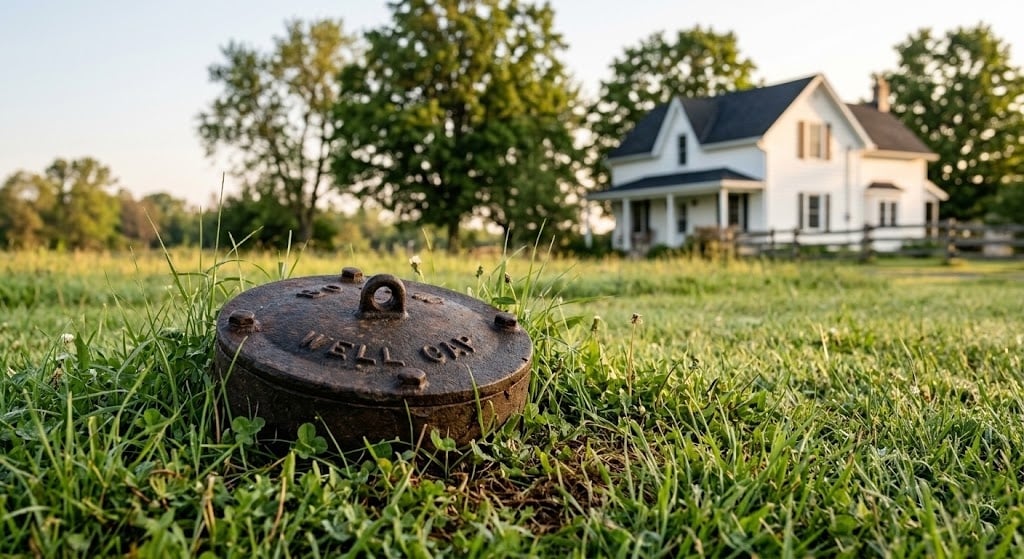
well-cap-rural-property-kemptville-ontario

Understanding Rural Infrastructure: Wells, Septics and What They Really Mean

When you buy in Barrhaven or Kanata, utilities are invisible. You turn on the tap. You flush. The systems that make those actions possible are someone else’s responsibility. On acreage near North Gower, Metcalfe or Winchester, that changes entirely. You become the utility company, and understanding your infrastructure is the most critical dimension of rural property due diligence in Ontario.

The well deserves more attention than most buyers initially give it. Water quality and flow rate are both essential, and they tell different stories. A well can pass a standard bacteria test and still fail to meet the daily demands of a household. Recovery rate testing, which measures how quickly the well refills after draw-down, should be part of every rural property inspection. A well in Carp can have a completely different mineral profile and yield capacity than one in Metcalfe, even on comparably sized parcels.

The septic system requires equal scrutiny. Age, tank material, leaching bed condition and compliance with current township standards all influence both daily function and long-term resale value. Older farmhouses near Smiths Falls or Perth may have systems installed decades ago that function adequately for current use but fall short of the demands of a modern household. A failing leaching bed is a five-figure repair that no buyer wants to discover after closing. A professional well and septic inspection in Ontario is not optional, it is the foundation of a sound rural purchase.

Understanding these systems is not a reason to avoid rural property. It is a reason to evaluate it properly. A well-maintained well and a recently serviced septic system on a property near Carleton Place or Richmond represent significant long-term assets rather than liabilities.

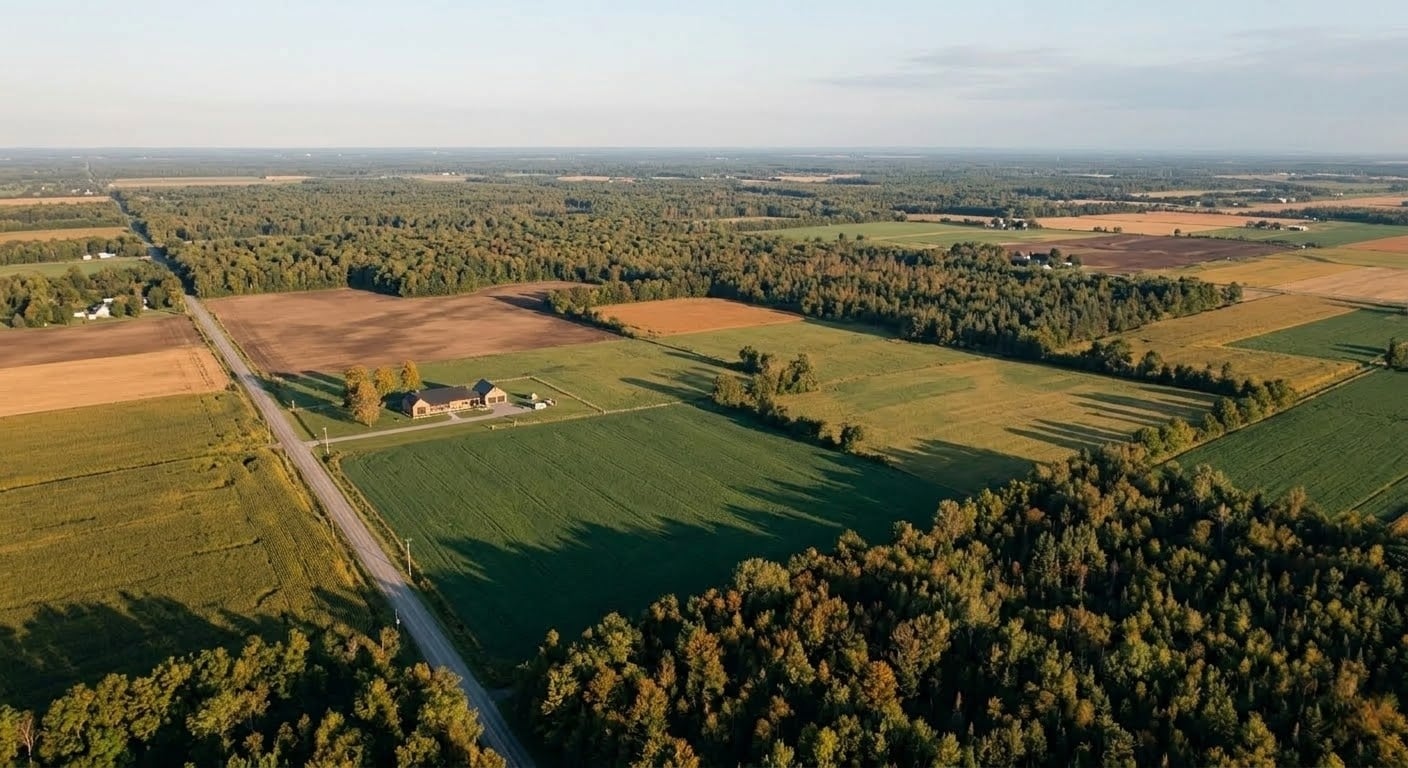
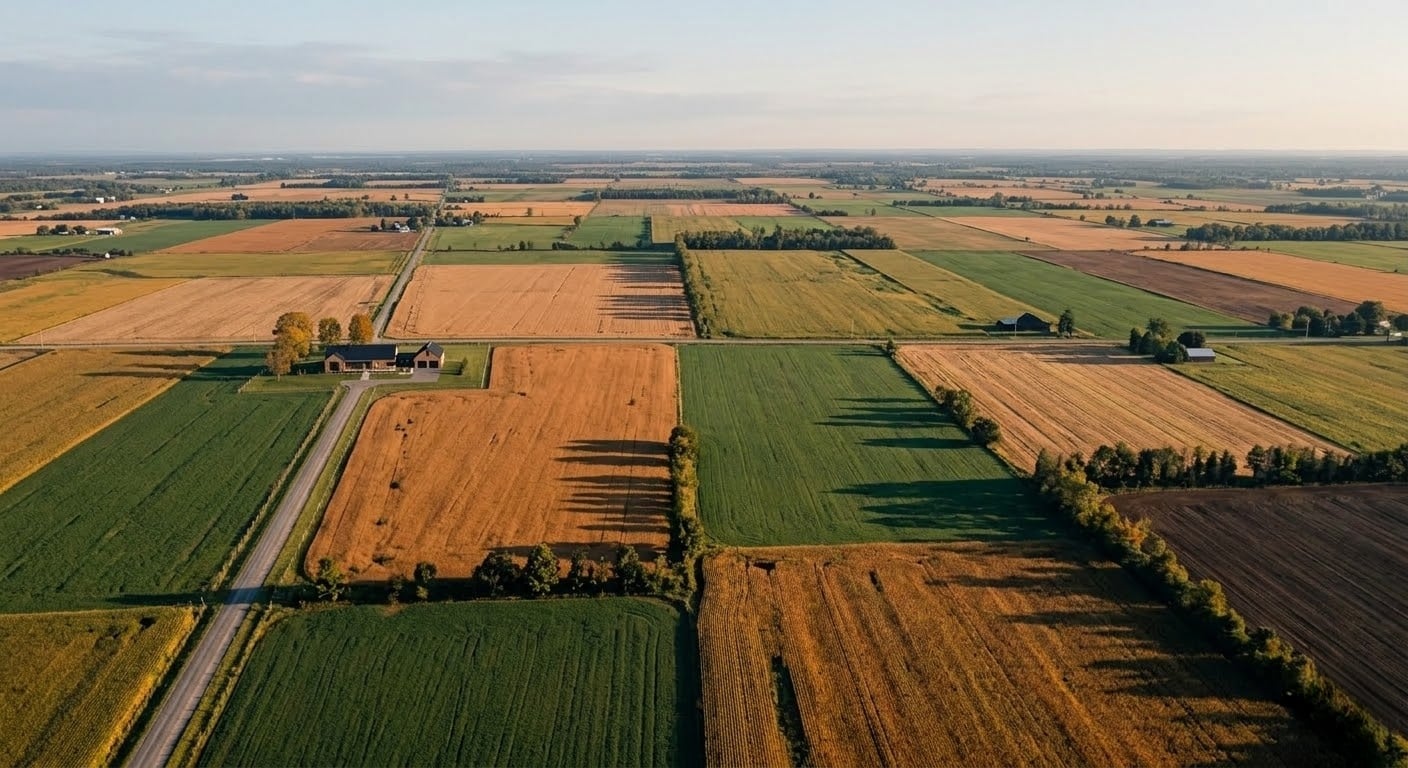
Aerial View of Agricultural Land and Acreage in Eastern Ontario

Zoning, Permitted Uses and the Question of Future Flexibility

One of the primary motivations behind buying rural real estate in Eastern Ontario is the ability to use land in ways that suburban properties simply do not allow. Hobby farms, detached workshops, secondary suites, home-based businesses, additional residential units, these possibilities attract a significant portion of the buyers currently exploring acreage near Ottawa.
However, what a property appears to offer and what its zoning actually permits can be very different things. Whether you are looking in North Grenville, Beckwith, Tay Valley or Montague, every parcel carries a designation that governs permitted uses, setback requirements, structure placement and development potential. A property near Richmond may allow agricultural activities that a comparably sized lot near Greely would not. A heritage overlay designation near Merrickville can introduce restrictions that simply do not exist on similar land near Almonte.
Buyers should request a zoning confirmation from the relevant municipality before proceeding and review it with a professional who understands rural land use across the region. The critical question is not only what the property permits today, but what flexibility exists for future development, intensification or change of use.
If you have plans for horses on a property near Kemptville, verify the minimum acreage requirements for livestock in that specific township before falling in love with the listing. If you are considering a secondary suite for family members, confirm that the lot size and septic capacity meet current ARU (Additional Residential Unit) requirements. “It seems like it would be fine” is not a legal strategy, and it is an expensive assumption to carry into closing.


rural-road-eastern-ontario-autumn

Road Access, Frontage and the Reality of Winter

Rural road access is a practical consideration that buyers regularly underestimate until they are living with the consequences. In Eastern Ontario, the range runs from well-maintained county roads to private laneways and seasonally maintained routes that present real challenges during winter months, and winter in this region is not a minor variable.

The first question is simple: is the property on a municipally maintained, year-round road? The answer affects not only snow plowing logistics but also financing eligibility. Some lenders apply specific requirements regarding road access, and a property on a private or seasonally maintained lane may change the terms of your mortgage approval. If the driveway is shared, there should be a clear, documented agreement regarding maintenance responsibility and cost-sharing between neighboring parcels.

Frontage width carries long-term implications beyond daily access. Municipal zoning bylaws set minimum frontage requirements that govern future severances, construction placement and development potential. Buyers thinking about land as a multi-decade strategic asset, whether for eventual severance, additional structures or resale value,  should understand how frontage interacts with those plans before purchasing.

Properties in communities like Carp, Stittsville and Greely tend to benefit from well-maintained rural road networks given their proximity to Ottawa’s western corridor. Further south and east, toward Brockville or along the Rideau Valley corridor near Smiths Falls, road conditions and maintenance schedules can vary significantly between properties only a few kilometres apart. This is precisely where local market knowledge matters.

rural-home-office-eastern-ontario-farmland-view

Connectivity, Remote Work and the New Commuter Logic

Hybrid work has permanently altered the geography of buyer decision-making in Eastern Ontario. Communities that were once considered too distant for practical daily commuting, Carleton Place, Almonte, Perth, Brockville, have become genuine primary residence options for buyers who commute two or three days per week rather than five. The geographic radius of serious buyer consideration has expanded, and with it, the range of communities offering meaningful land value at accessible price points.

This shift has made high-speed internet connectivity a non-negotiable evaluation criterion. Before committing to a property, verify actual service availability at the specific address, not the general coverage map for the surrounding township. Rural broadband infrastructure across Eastern Ontario has improved significantly through provincial and federal investment, but gaps remain, and a property without reliable high-speed connectivity is a meaningful constraint for any household with remote work requirements. Starlink has changed the equation for many rural buyers, but it is still worth knowing your options before closing.

Commute psychology also deserves honest evaluation. The drive from Kemptville to Ottawa along Highway 416 in October and the same drive in February are meaningfully different experiences. Buyers who test their intended commute routes in different seasons, and who genuinely enjoy the transition time between city and country, tend to make more durable decisions about rural living than those who evaluate the commute only on a clear summer day.

The most successful rural buyers in this market are often those who reframe the drive entirely, using it as a deliberate buffer between professional and personal life rather than measuring it only as lost time.

→ Related: What Is the Real Commute from Kemptville to Ottawa?: What Buyers Should Know

Large Acreage Property With Forest and Fields in Eastern Ontario

Maintenance Reality and Lifestyle Alignment

Acreage ownership introduces a category of ongoing responsibility that deserves honest evaluation before purchasing. Snow management on a 300-foot driveway is not the same as clearing a suburban walkway — you will need a plan, and likely a tractor or a high-capacity snowblower, before the first significant storm arrives. Tree maintenance on a wooded property near North Gower or Metcalfe involves both cost and seasonal safety planning. Well and septic systems require periodic servicing. Outbuildings, fencing, laneways and drainage infrastructure all need attention over time.

For many buyers, this operational dimension is precisely what makes rural ownership meaningful. The physical engagement with land, the self-sufficiency of managing a property, and the autonomy of being genuinely responsible for your environment align directly with the lifestyle they are seeking. There is real satisfaction in maintaining your own trails, clearing your own land and watching a property improve through consistent care.

For others, that reality becomes apparent only after moving in — often when the first significant maintenance cost arrives. Evaluating lifestyle alignment as honestly as financial qualification leads to more sustainable homeownership and higher long-term satisfaction. Buyers transitioning from suburban environments should budget conservatively for first-year rural property expenses, particularly if the property has been vacant or if infrastructure has not been recently updated.

A professional rural property inspection — conducted by an inspector with specific acreage experience rather than a standard residential inspector — is worth the additional investment. The items that matter most on a rural property are often not the items that matter most in a subdivision.

→ Related: Which Towns Near Eastern Ontario Offer the Best Lifestyle Balance?

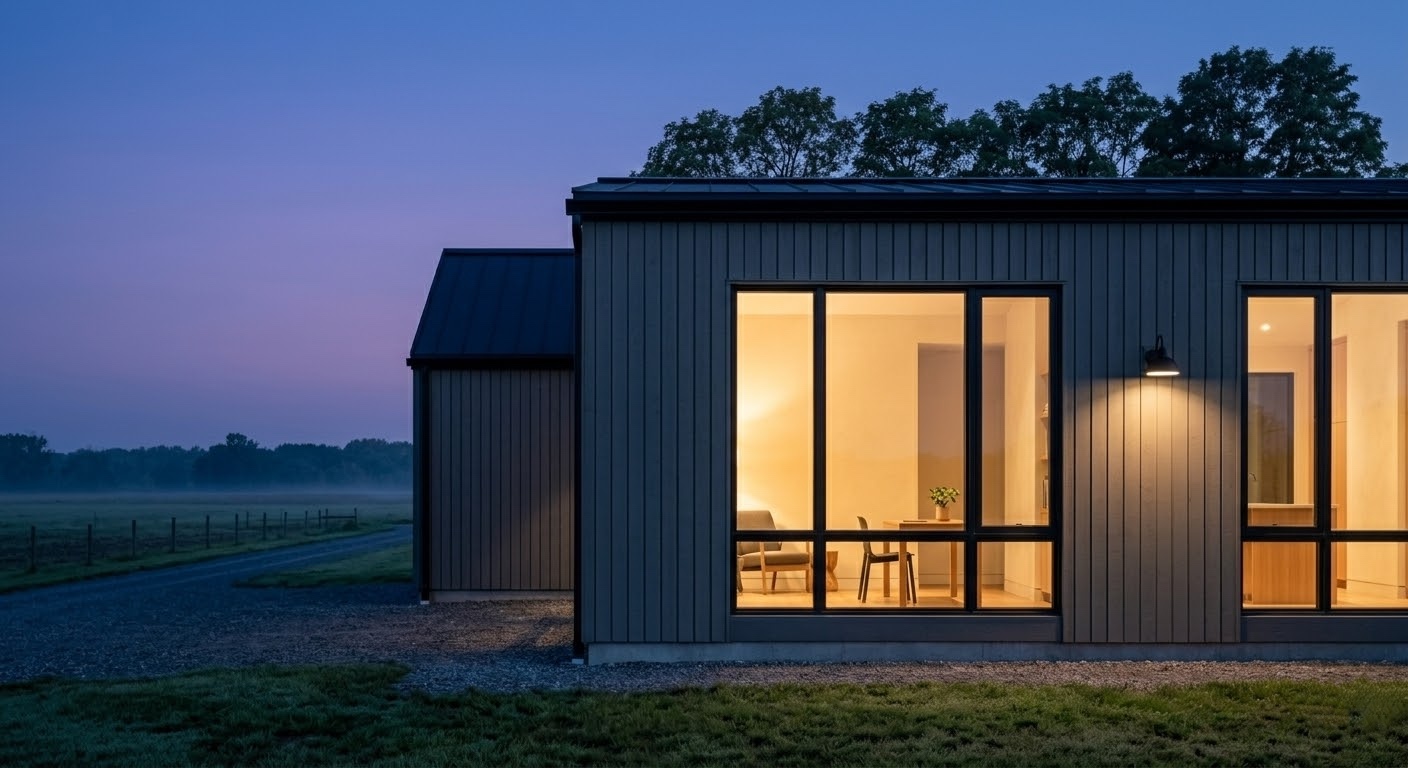
modern-farmhouse-exterior-dusk-eastern-ontario

Evaluating Acreage With a Long-Term Equity Lens

Rural property is a distinct asset class. Unlike a subdivision where comparable sales are straightforward to identify, acreage properties are individual — shaped by land quality, zoning flexibility, infrastructure condition, road access and proximity to expanding communities. Understanding how to evaluate that individuality is what separates buyers who find genuine long-term value from those who buy on aesthetic appeal alone.

When evaluating a rural property in Eastern Ontario, consider the land’s underlying potential alongside the structure. Soil quality, drainage, timber value and development flexibility all contribute to long-term equity. Location within the regional ecosystem matters equally — a property in the path of a growing community like Kemptville or Carleton Place carries different appreciation dynamics than a comparable parcel in a more static area.

Land within commuter distance of Ottawa remains a finite resource. As hybrid work patterns continue to push buyer demand outward from the urban core, communities across the eastern and southern commuter corridors are experiencing sustained interest that has historically supported long-term value. Infrastructure readiness — the condition of systems, road access quality, broadband availability and zoning flexibility — functions as a hidden equity foundation that experienced buyers learn to evaluate as carefully as the home itself.

The buyers who consistently position themselves well in the Eastern Ontario acreage market are those who begin understanding the territory before they need to act on it. They know which communities are in the path of growth. They understand how infrastructure condition translates into ownership cost. And when the right property appears, they are ready to evaluate it clearly rather than emotionally.

→ Related: Is the Real Estate Market in Eastern Ontario More Affordable Compared to Other Areas?

eastern-ontario-rural-landscape-horizon-opportunity

The rural properties that align most closely with long-term buyer goals rarely announce themselves with obvious urgency. They move when buyers who have already done the work, understanding infrastructure, clarifying zoning, mapping commute realities, are ready to act with confidence.

If you are beginning to explore acreage or lifestyle properties across Eastern Ontario, starting that conversation early gives you the orientation to evaluate opportunities clearly when they appear. The Driscoll-Peca Team works exclusively across this regional ecosystem and can help you identify which communities and property types align with your specific goals.

land-survey-plans-rural-property-eastern-ontario

FAQ

What is the most important inspection for a rural property in Eastern Ontario?

The well and septic inspection is the most critical. A well inspection should include recovery rate testing alongside standard water quality analysis. A septic assessment should evaluate tank age, material, leaching bed condition and compliance with current municipal standards. These systems are the most expensive to repair or replace and directly affect both daily livability and long-term resale value.

Can I build a secondary suite or additional structure on rural acreage?

This depends on municipal zoning bylaws specific to the township. Many municipalities in Eastern Ontario, including North Grenville and Beckwith,  have updated their policies to support Additional Residential Units, but specific requirements regarding lot size, setbacks and septic capacity still apply. Always verify with the municipality before purchasing based on future development intentions.

Is high-speed internet available in rural Eastern Ontario?

Coverage has improved considerably through recent provincial and federal investment programs, but gaps remain. Always verify actual service availability at the specific property address rather than relying on general coverage maps. Starlink has expanded options significantly for rural buyers, but confirming connectivity before closing is essential for households with remote work requirements.

Is rural property a strong long-term investment near Ottawa?

Generally yes. Land within commuter distance of Ottawa remains finite, and sustained hybrid work migration patterns continue to support regional demand. Long-term value depends on infrastructure condition, zoning flexibility, road access quality and proximity to growing communities, factors that local expertise can help buyers evaluate with precision.

Check out this article next

Is the Real Estate Market in Eastern Ontario more Affordable Compared to Other Areas?

Is the Real Estate Market in Eastern Ontario more Affordable Compared to Other Areas?

Is real estate in Eastern Ontario truly more affordable or simply structured differently. The Driscoll-Peca Team explains how pricing, lifestyle value, and ownership costs shape…

Read Article