


Which Communities Near Ottawa Are Growing the Fastest?
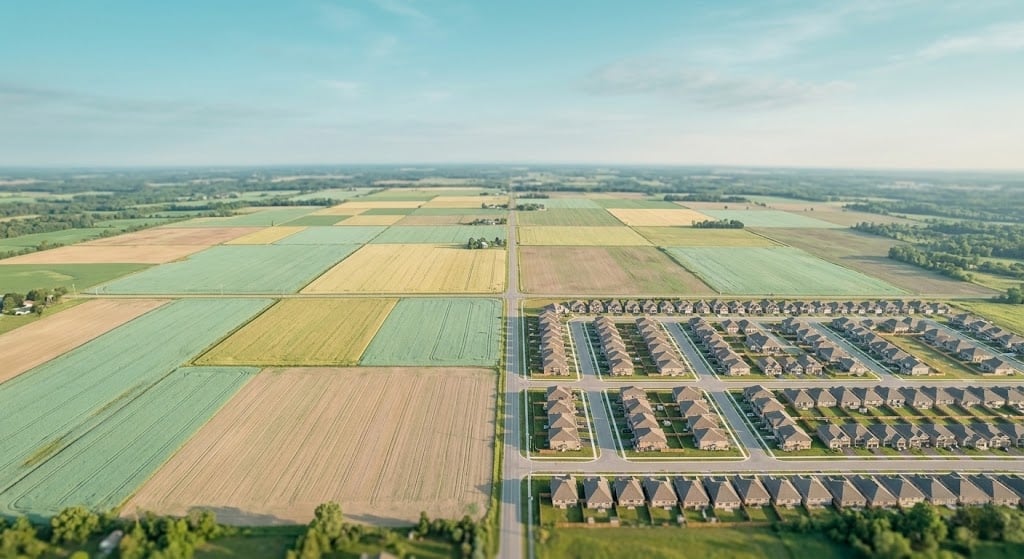
When buyers ask which towns are growing the fastest, they’re usually trying to get ahead of something. Either they want to get in before prices move, or they want to avoid buying into a place that won’t feel the same five years from now. Both instincts are valid. But in Eastern Ontario, growth doesn’t show up the way most people expect.
It’s not just new construction. It’s where infrastructure money is going, where schools are expanding, and which towns are quietly shifting from rural to suburban without most buyers noticing.And by the time it becomes obvious, the pricing has already adjusted.
Most buyers think they have time to figure it out. In growing markets like these, that assumption is usually what costs them the most.
If you're trying to understand where growth is actually happening, you have to look at where both infrastructure and buyer demand are aligning.
The Regional Heavyweights: Carleton Place and Kemptville
If we're talking pure numbers, Carleton Place and Kemptville have been leading the pack for a while.
Carleton Place literally made national headlines recently as one of the fastest-growing municipalities in the entire country. The appeal is obvious: it sits right on Highway 7, making the commute into hubs like Kanata and Stittsville highly manageable. But because of that rapid expansion, you’re looking at a town that feels increasingly suburban. The amenities are fantastic, but the "small-town discount" most buyers expect is largely a thing of the past.
Kemptville, our home base, has taken a slightly different path. The growth here has been steady and significant, driven heavily by the Highway 416 corridor. What we see locally is that Kemptville manages to hold onto its agricultural and historic roots a bit more tightly. You get the big-box conveniences, the hospital expansion, and the new schools, but you're still only five minutes away from active farm properties and quiet acreage. It sits in a middle ground most buyers don’t initially consider until they see it in person.
From a market behavior standpoint, the difference between these two communities is subtle but important.
Kemptville is showing broader inventory levels and slightly faster absorption, which typically points to more distributed growth across different property types.
Carleton Place, on the other hand, is operating with tighter inventory and slightly longer market times, suggesting a more consolidated demand pattern where buyers are being more selective.
That distinction matters. One market is expanding outward, while the other is refining inward.
You can also see this reflected in pricing structure. Kemptville shows a much wider range of price points, from entry-level homes to higher-value rural and estate propertie, while Carleton Place tends to operate within a tighter pricing band, reflecting a more uniform growth pattern.
The Next Wave: Almonte and Winchester
When buyers feel that Carleton Place or Kemptville have gotten a bit too busy (or a bit too expensive), they start looking at the next ring out.
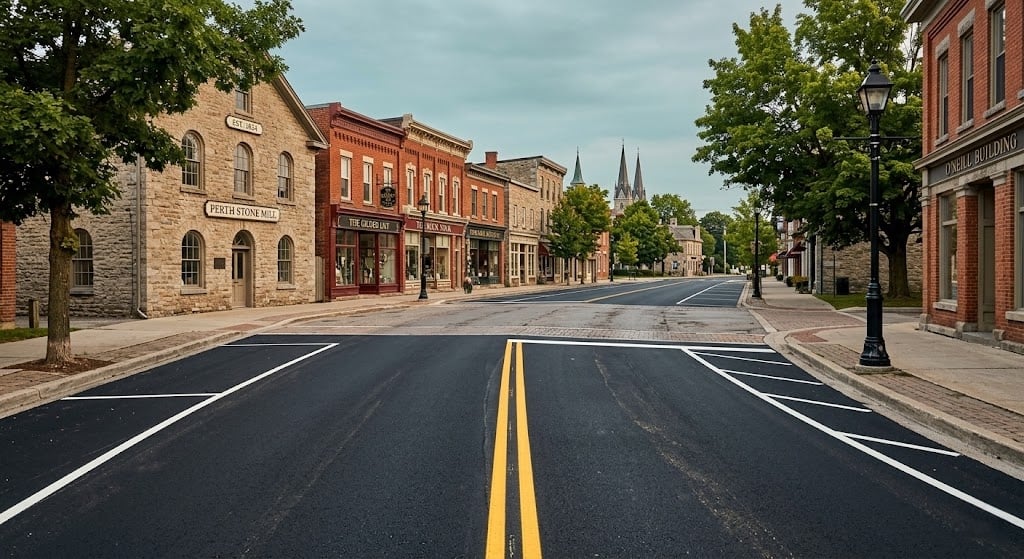
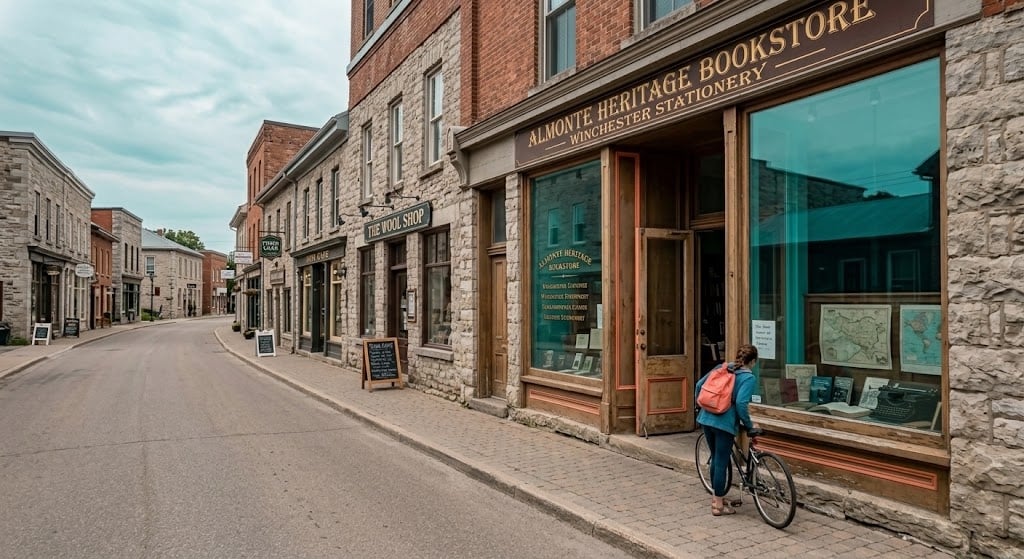
Almonte is seeing a massive surge in interest. It has the heritage charm and the riverfront aesthetics that people fall in love with on a Sunday drive. The market signal here is clear: properties in Almonte with historical character or walking access to the downtown core rarely sit on the market long. It’s shifting quickly from a hidden gem to a premium destination.
Winchester, to the south, is the quieter alternative. It’s growing, but at a pace that hasn’t overwhelmed the local infrastructure. For buyers who genuinely want space and are willing to trade a slightly longer drive for a larger lot and a lower purchase price, Winchester is where we often point them.
The "Forever Quiet" Misconception
Here is a mistake we see happen regularly: a buyer purchases a home on the edge of town, backing onto a beautiful, empty farmer’s field. Five years later, that field is a 200-home subdivision, and the buyer is frustrated.
If a community is on the list of the fastest-growing towns in Eastern Ontario, you have to assume the empty spaces within the town boundaries will eventually be developed. It’s not a secret; it’s usually in the municipality's master plan.
Before you fall in love with the view out the back window, we always check the zoning and the long-term development plans for the area. Knowing what’s coming saves you from fixing a mistake later.
Growth is rarely a surprise. It’s usually a plan, just one buyers don’t always take the time to read.

How to Evaluate a Growing Community
You can also see this in how inventory is distributed. Most active listings in Kemptville are concentrated within a relatively tight mid-range price band. That typically signals a market driven by end-users rather than speculation.
In practical terms, it means demand is anchored in real buyers: families, move-up buyers, and people relocating into the area, rather than purely investment-driven activity. That kind of demand tends to be more stable over time, even as the community continues to grow.
So, how do you decide which growing town is right for you? It comes down to weighing the trade-offs. Here is the framework we use with our clients to evaluate these markets:
∙Patience vs. Convenience: Are you willing to wait for amenities? If you buy in a town that is just starting its growth curve, you might get a better price, but you might also be driving 25 minutes for groceries for the next three years.
∙Property Taxes: Rapid growth requires new sewers, roads, and schools. That infrastructure is often funded through property taxes. Don’t just look at the purchase price; look at the municipal tax trajectory.
∙The Commute Reality: A town might look close on a map, but a growing population means more traffic on the two-lane country roads leading to the highway. Drive the route during rush hour before you write an offer.
The market in Eastern Ontario is shifting quickly. But in fast-growing communities, waiting for certainty usually means paying for it later. The advantage doesn’t go to the buyer who waits. It goes to the one who understands what kind of growth they’re stepping into.
Curious how the growth in these towns might affect your own real estate plans? We’re happy to talk it through.
FAQ
Is Kemptville still affordable compared to the rest of Eastern Ontario?
Kemptville sits in a middle ground. It's generally more affordable than being right in the city, but the steady growth and high demand mean it carries a premium compared to towns further out like Smiths Falls or Brockville.
Does rapid town growth increase my property value?
Typically, yes. As a town adds amenities like better grocery stores, schools, and healthcare facilities, the area becomes more desirable, which naturally supports higher property values over time.
Are property taxes higher in faster-growing towns?
Often, they can be. New infrastructure like roads and water treatment facilities requires funding. It's always smart to review the local municipal budget trends before buying.
Check out this article next

Are Waterfront Homes Available Near Kemptville?
Is Kemptville a waterfront town? While you won’t find a beach at the end of every street, the Rideau River and Kemptville Creek offer some…
Read Article