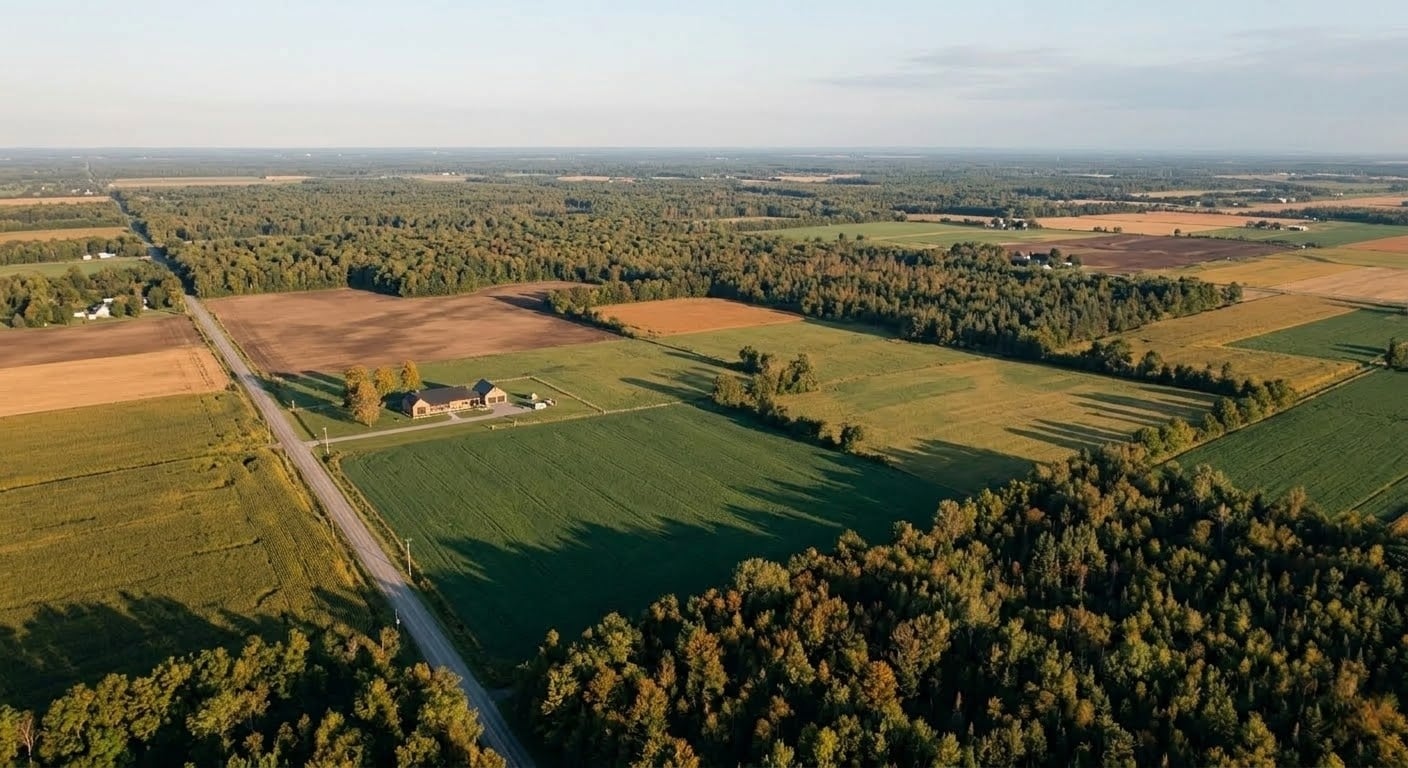
One of the primary motivations behind buying rural real estate in Eastern Ontario is the ability to use land in ways that suburban properties simply do not allow. Hobby farms, detached workshops, secondary suites, home-based businesses, additional residential units, these possibilities attract a significant portion of the buyers currently exploring acreage near Ottawa.
However, what a property appears to offer and what its zoning actually permits can be very different things. Whether you are looking in North Grenville, Beckwith, Tay Valley or Montague, every parcel carries a designation that governs permitted uses, setback requirements, structure placement and development potential. A property near Richmond may allow agricultural activities that a comparably sized lot near Greely would not. A heritage overlay designation near Merrickville can introduce restrictions that simply do not exist on similar land near Almonte.
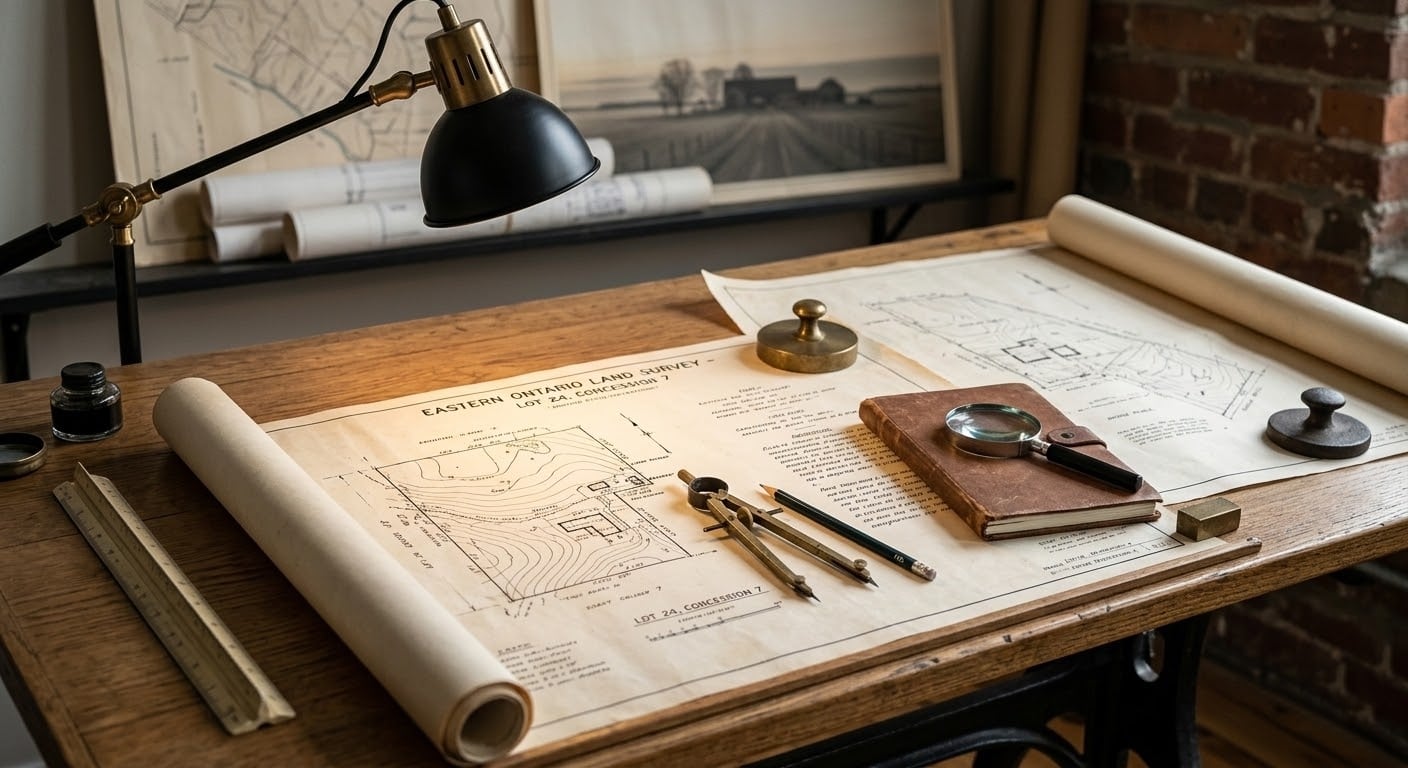
Buyers should request a zoning confirmation from the relevant municipality before proceeding and review it with a professional who understands rural land use across the region. The critical question is not only what the property permits today, but what flexibility exists for future development, intensification or change of use.
If you have plans for horses on a property near Kemptville, verify the minimum acreage requirements for livestock in that specific township before falling in love with the listing. If you are considering a secondary suite for family members, confirm that the lot size and septic capacity meet current ARU (Additional Residential Unit) requirements. “It seems like it would be fine” is not a legal strategy, and it is an expensive assumption to carry into closing.

Check out this article next